Why Your Flat Roof Needs a Closer Look
Residential flat roof inspection is a critical maintenance task that every homeowner with a flat or low-slope roof should prioritize. Whether youre scheduling the work with a team of expert Sugar Land roofing contractors or performing a quick visual check yourself, heres what you need to know:
Key Components to Inspect:
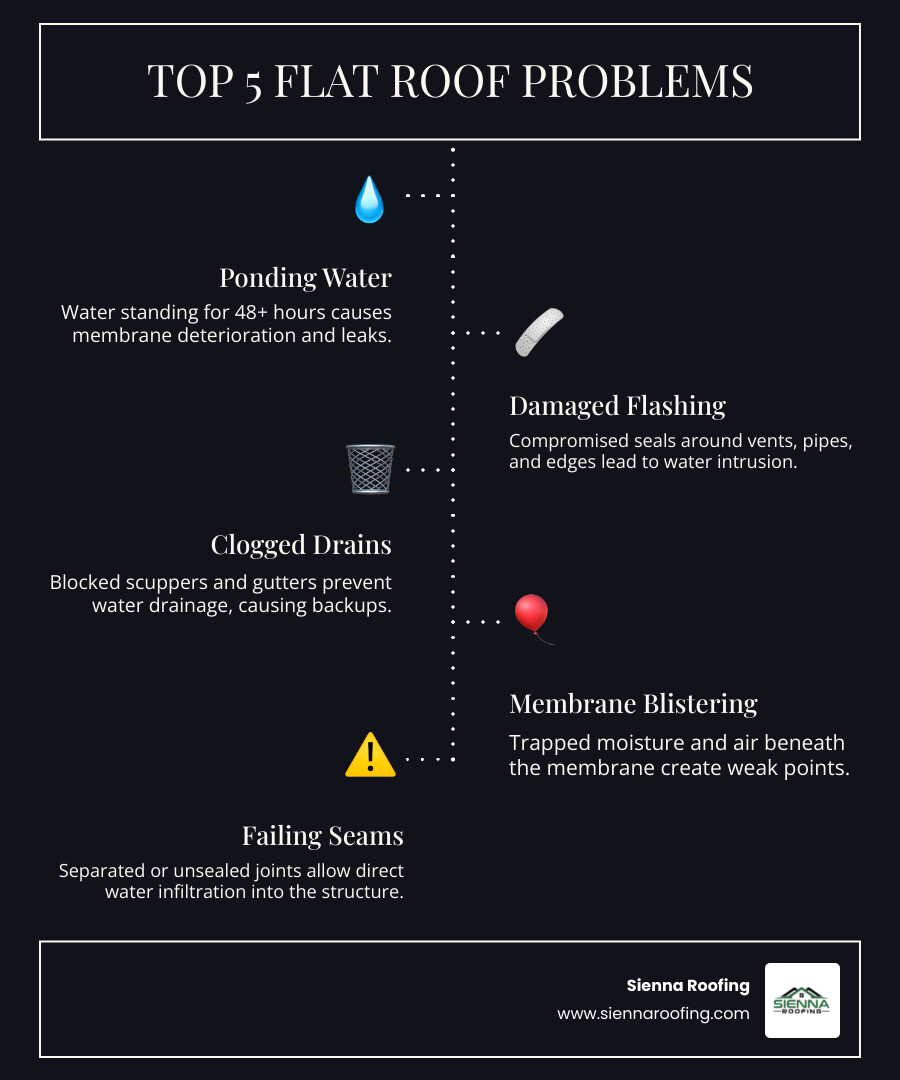
- Ponding water – Standing water 48+ hours after rain
- Membrane condition – Cracks, blisters, or tears in the surface
- Flashing integrity – Seals around vents, pipes, and edges
- Drainage systems – Clear gutters, drains, and scuppers
- Seams and joints – Properly sealed connections
Flat roofs are popular in Texas homes for their modern aesthetic and cost-effectiveness, but they face unique challenges. Unlike sloped roofs that shed water quickly, flat roofs can develop ponding water, making them more vulnerable to leaks and damage. The intense Texas sun can also cause membrane deterioration over time.
Regular inspections catch small problems before they become expensive disasters. A minor leak can quickly lead to interior water damage, mold growth, and structural issues. Professional inspections provide the expertise needed to protect your investment.
As Andre Castro, CEO of Sienna Roofing & Solar with over five years of roofing experience, Ive seen how proper residential flat roof inspection prevents costly repairs and extends roof lifespan. My construction management background from Texas A&M has taught me that proactive maintenance is always more affordable than emergency repairs.
A flat roof typically lasts between 10 to 20 years before needing replacement, but this lifespan can be significantly shortened without diligent care. The consequences of neglecting regular flat roof inspections and maintenance can be severe. Undetected leaks can lead to costly water damage to your home’s interior and structure, promoting mold and mildew growth that poses health risks. Beyond the immediate damage, this neglect can reduce your home’s energy efficiency, as water-damaged insulation loses its effectiveness. What could have been a minor repair escalates into a premature and incredibly costly full roof replacement.
The Homeowner’s Visual Check: What to Look For From the Ground Up
Knowing how to spot potential problems on your flat roof can save you thousands of dollars down the road. While we always recommend professional roofing inspections for comprehensive assessments, a basic visual check from the ground gives you valuable insight into your roof’s health.
Safety comes first, and we can’t stress this enough. Never walk on a damaged roof, especially when it’s wet or if you’re not comfortable with heights. Your wellbeing is far more important than any roofing issue. For detailed guidance on working at heights, always refer to official resources like the ladder safety guidelines from the Occupational Safety and Health Administration (OSHA).
Your DIY Residential Flat Roof Inspection Checklist
A regular residential flat roof inspection from ground level can help you catch problems before they become expensive disasters. Here’s what to watch for during your visual assessment.
Ponding water is your biggest red flag. If you see standing water on your roof 48 hours after rainfall, you’ve got a drainage problem. This pooling creates constant pressure on your roofing membrane and eventually leads to leaks. Think of it as an unwanted swimming pool that’s slowly damaging your home.
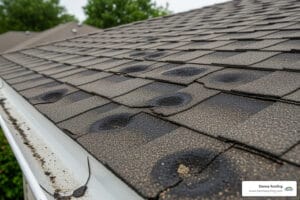
Blistering or bubbles appear as raised, spongy spots on the roofing material. These form when air or moisture gets trapped between layers of your roof membrane. They’re like little pressure points waiting to burst, and they signal that your roof’s waterproofing is compromised.
Cracks and tears show up as lines or ruptures in the membrane surface. Texas weather is tough on roofs – the constant expansion and contraction from scorching days to cooler nights takes its toll. Even tiny cracks can become major leak entry points.
Damaged flashing around vents, pipes, and edges is where many leaks start. This waterproof material acts like your roof’s armor at vulnerable spots. When flashing curls, tears, or goes missing, water has an easy path into your home.
Clogged drains and scuppers spell trouble for flat roofs that depend on efficient water drainage. When leaves, dirt, and debris block these outlets, water has nowhere to go. The result? More ponding and potential leaks.
Failing seams create direct water pathways into your home. These joints between roofing material sections can pull apart, crack, or lose their grip over time. Look for any separation or lifting along these critical connection points.
Granule loss on modified bitumen roofs exposes the underlying membrane to harmful UV rays. You might notice these granules collecting in your gutters – a sign that your roof’s protective layer is wearing away.
Debris accumulation does more than just look unsightly. Leaves, branches, and dirt trap moisture against your roof surface, promoting mold growth and accelerating wear. Sharp debris can even puncture your membrane.
If you spot any of these warning signs, especially water intrusion evidence, it’s time to call in the professionals. For expert help, a qualified roofing contractor can quickly identify the source and recommend the right fix.
Key Components to Examine
During your visual inspection, focus extra attention on these critical areas that commonly develop problems.
Drains and scuppers function as your roof’s plumbing system. Make sure they’re completely clear of obstructions. Watermarks or dirt rings around these areas indicate poor drainage that needs immediate attention.
Seams and laps are often the weakest points on flat roofs. Examine every joint where membrane pieces meet, looking for lifting, cracking, or failed adhesive. These spots need careful monitoring since they’re prime leak locations.
Flashing deserves your closest scrutiny because it prevents leaks at the most vulnerable spots. Check all flashing around chimneys, skylights, vents, and wall connections. Look for tears, punctures, loose sections, or degraded sealant.
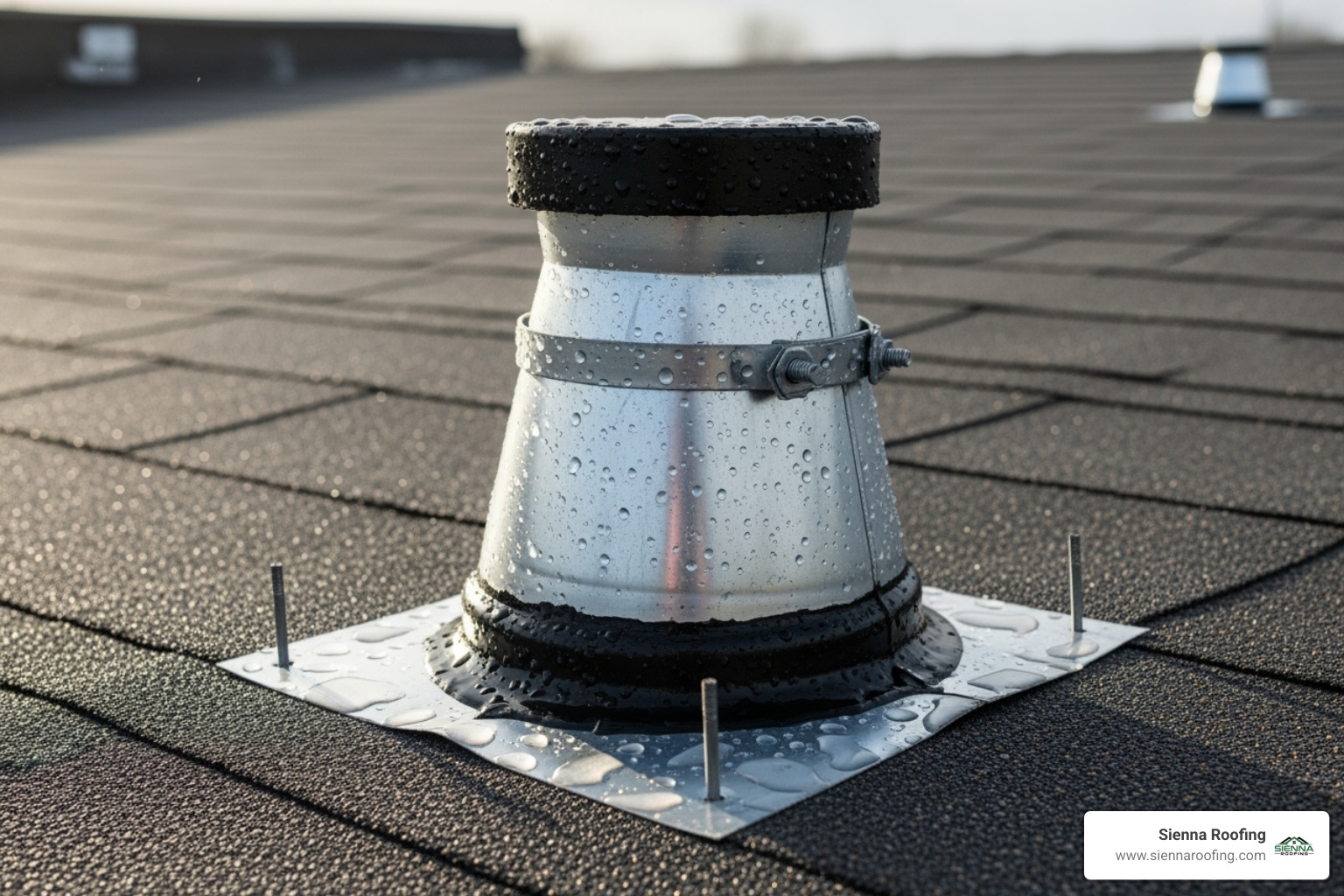
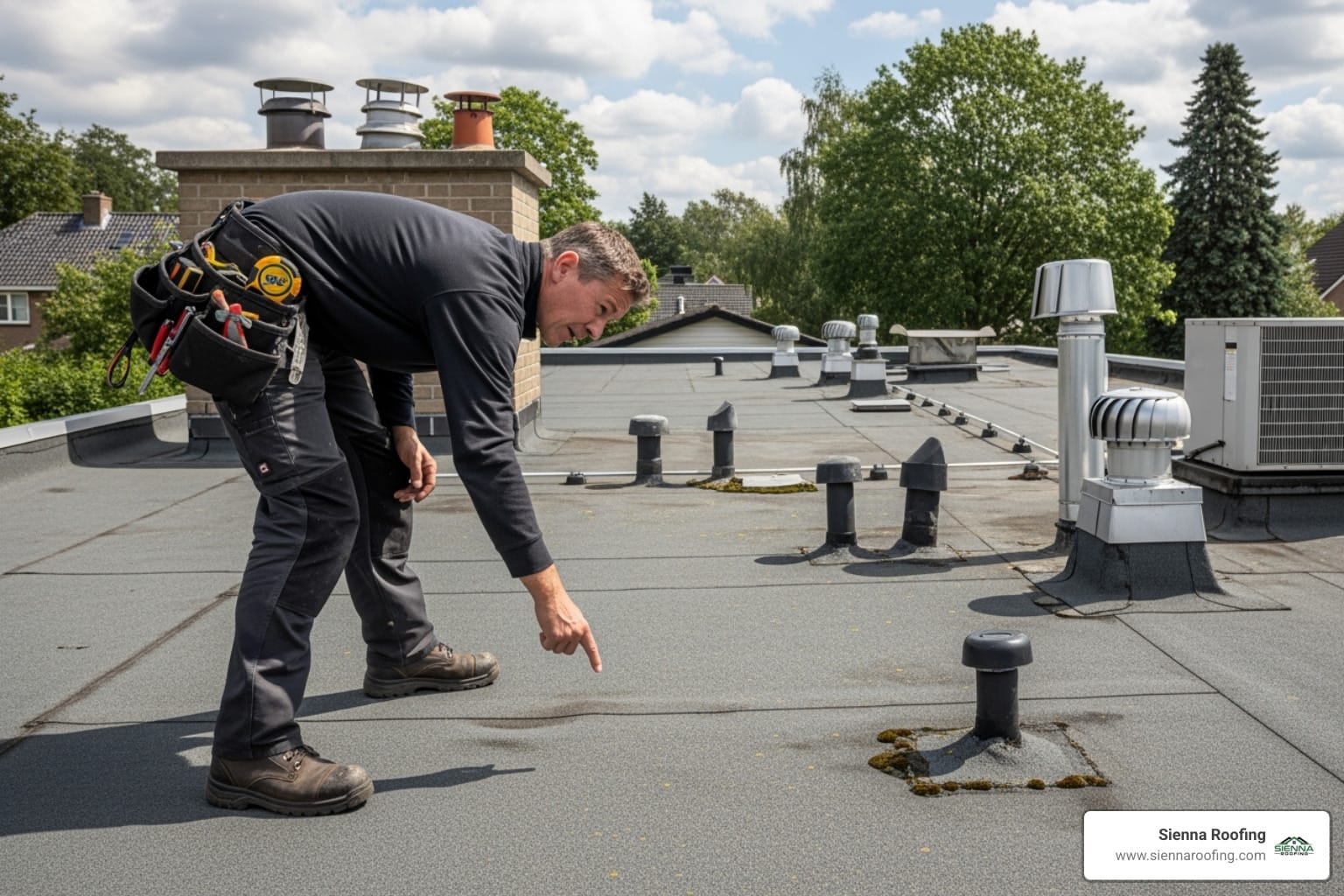
Penetrations like vents, pipes, and HVAC units create potential leak points wherever they pierce your roof. Inspect the seals and flashing around these elements for cracking, drying, or separation. Pitch pans around these features should be properly filled with sealant.
Membrane surface condition tells you a lot about your roof’s overall health. Look for areas that appear thin, brittle, or discolored. The presence of mold, mildew, or algae indicates moisture problems, since these organisms thrive in damp conditions.
Perimeters and edges where your membrane terminates or meets coping are also vulnerable spots. Check for lifting, peeling, or damage along these boundaries. Metal capping should look intact and properly secured.
By systematically checking these components, you’ll develop a clear picture of your roof’s condition and be better prepared to discuss any concerns with roofing professionals.
When to Call the Pros: Recognizing the Limits of a DIY Inspection
While your keen eye and a good pair of binoculars can spot many obvious problems, there are definite limits to what a homeowner can safely and effectively assess. Some issues hide beneath the surface, invisible to the untrained eye, while others require specialized equipment and years of experience to properly evaluate.
Think of it this way: you might notice your car making a strange noise, but you’d trust a mechanic to diagnose what’s actually wrong under the hood. The same principle applies to your roof. Knowing when to call for a professional Roof Inspection can save you thousands of dollars by catching problems before they turn into major disasters.
Triggers for a Professional Call
There are several clear situations when it’s time to put down those binoculars and pick up the phone. After a major storm with hail or high winds, your roof may have sustained damage that’s not immediately visible from the ground. The intense weather we experience in the Houston area can compromise membrane integrity, loosen flashing, or create subtle vulnerabilities that won’t show up as leaks for weeks or months.
If you notice visible leaks or water stains inside your home, this is your house’s way of crying for help. Water stains on ceilings or walls, especially on upper floors, indicate that moisture has found its way through your roof’s defenses. The tricky thing about flat roof leaks is that water can travel surprisingly far underneath the roofing material before it finally drips into your living space, making the actual source difficult to pinpoint without professional expertise.
Age matters too. If your roof is over 10 years old, it’s entered the phase where annual professional inspections become crucial. Materials naturally degrade over time, and what might look fine to your eyes could actually be showing early signs of failure that only an experienced roofer would recognize.
Before buying or selling a home, a professional inspection protects everyone involved. As a buyer, you’ll avoid inheriting costly surprises. As a seller, you can address issues proactively, making your home more attractive and preventing last-minute negotiation headaches.
When you spot large blisters or widespread cracking, you’re looking at problems that go beyond simple patch repairs. These issues often signal systemic problems with the roofing material or original installation that require professional assessment and extensive repairs.
Finally, if you’re not comfortable performing a DIY check yourself, don’t push it. Your safety is far more important than any roof issue. If climbing ladders or being on liftd surfaces makes you nervous, or if you simply don’t feel confident spotting potential problems, that’s perfectly normal and exactly what professional roofers are here for.

Why a Professional Residential Flat Roof Inspection is a Smart Investment
A professional residential flat roof inspection isn’t just another service call – it’s an investment in your home’s future and your own peace of mind. The difference between what you can see from the ground and what a trained professional can detect is remarkable.
| Feature | DIY Inspection | Professional Inspection |
|---|---|---|
| Safety | Limited to ground-level viewing, potential ladder risks | Trained professionals with proper safety equipment and techniques |
| Specialized tools (infrared) | Visual inspection only, no moisture detection capability | Infrared cameras detect hidden moisture, core sampling tools, moisture meters |
| Experience | Basic visual cues, learning as you go | Years of training, thousands of roofs inspected, pattern recognition |
| Detailed reporting | Mental notes or basic photos | Comprehensive written reports with photographs and prioritized recommendations |
| Warranty validation | May miss issues that void manufacturer warranties | Ensures warranty compliance, documents proper maintenance |
| Peace of mind | Uncertainty about findings, worry about missed problems | Confidence in thorough assessment, clear action plan |
Professional roofers bring specialized equipment that can literally see through your roof’s surface. Infrared cameras detect moisture trapped within the roofing system long before it becomes visible damage. Moisture meters can confirm what the cameras suggest, while core sampling (when necessary) provides definitive answers about the condition of your roof’s layers.
The experience factor can’t be overstated. A professional roofer has seen thousands of roofs in various stages of their lifecycle. They can spot subtle warning signs that would be meaningless to most homeowners – a slight discoloration that indicates beginning membrane failure, or a barely perceptible low spot that will become a ponding problem.
You’ll also receive a detailed written report with photographic evidence of any issues found. This documentation is invaluable for insurance claims, warranty work, or simply planning your home maintenance budget. The report prioritizes problems by urgency, helping you understand what needs immediate attention versus what can wait.
Most importantly, a professional inspection gives you genuine peace of mind. Instead of wondering whether that spot on your roof is something to worry about, you’ll have definitive answers and a clear path forward. That confidence is worth its weight in gold – or in this case, worth its weight in avoided water damage repairs.
The Homeowner’s Visual Check: What to Look For From the Ground Up
We believe that every homeowner should feel empowered to understand the basic health of their roof. While we always recommend professional inspections for a thorough assessment, a basic visual check can help you identify common warning signs before they escalate into major problems. Safety is paramount here; never, ever walk on a roof you suspect is damaged, especially if it’s wet or if you’re not comfortable. Your personal safety is far more important than any roof issue! For detailed guidance on working at heights, always refer to official resources like the ladder safety guidelines from the Occupational Safety and Health Administration (OSHA).
Your DIY Residential Flat Roof Inspection Checklist
Performing a regular, basic visual inspection of your residential flat roof inspection can empower you to catch issues early. Here’s what we suggest looking for:
- Ponding water: This is perhaps the most glaring red flag for a flat roof. If you see standing water on your roof 48 hours or more after rainfall, it indicates a drainage problem. Pooling water creates low spots and puts constant pressure on the roofing membrane, leading to leaks and water damage. It’s like a tiny swimming pool on your roof, but without the fun.
- Blistering or bubbles: Look for raised, spongy, or soft-looking spots on the roofing material. These blisters occur when air or moisture gets trapped between layers of the roofing membrane or between the membrane and the substrate. They’re a sign that your roof isn’t adequately waterproof. Think of them as little pressure points, just waiting to burst.
- Cracks and tears: These can appear as small lines or larger ruptures in the membrane. Cracks often develop due to the roof’s constant exposure to extreme temperatures – the expansion and contraction from the intense Texas heat to cooler nights can take its toll. Tears can result from impacts, foot traffic, or even sharp debris. Even a tiny crack can become a major leak point.
- Damaged flashing: Flashing refers to the waterproof material installed around roof penetrations (like vents, pipes, chimneys, and skylights) and at the edges or where the roof meets a wall. Damaged, curled, or missing flashing is a critical point of vulnerability, as it allows water to easily seep into your home. Seals at component junctions degrade over time, making them prime spots for leaks.
- Clogged drains and scuppers: Flat roofs rely heavily on efficient drainage systems to shed water. Drains and scuppers (openings in the parapet wall designed for water runoff) can become clogged with leaves, dirt, and other debris. A blocked drain means water has nowhere to go, leading directly to ponding and potential leaks. Keep them clear like a good conscience!
- Failing seams: On many types of flat roofs, sections of the roofing material are joined together with seams. Over time, these seams can pull apart, crack, or lose their adhesive properties. This creates direct pathways for water to enter your home. You’ll want to look for any separation, lifting, or degradation along these lines.
- Granule loss: If your flat roof has a granular surface (common on modified bitumen roofs), excessive granule loss can expose the underlying membrane to harmful UV rays, accelerating its deterioration. You might see granules accumulating in your gutters or downspouts.
- Debris accumulation: Beyond clogging drains, accumulated debris like leaves, branches, and dirt can trap moisture against the roof surface, promoting mold and algae growth, and accelerating wear. Sharp debris can also puncture the membrane. A clean roof is a happy roof!
If you spot any of these issues, especially signs of water intrusion or damage, it’s time to consider professional help. An experienced roofer can quickly locate the issue and suggest the most cost-effective repair.
Key Components to Examine
When you’re doing your visual sweep, pay extra close attention to these critical areas:
- Drains and scuppers: As mentioned, these are your roof’s plumbing system. Ensure they are completely clear of any obstructions. If you see watermarks or dirt rings around them, it indicates water isn’t draining as it should.
- Seams and laps: These are the Achilles’ heel of many flat roofs. Carefully inspect every linear foot of seams where two pieces of membrane meet. Look for any lifting, cracking, or signs that the adhesive has failed.
- Flashing: This is arguably the most important component for preventing leaks on a flat roof. Inspect all flashing around chimneys, skylights, vents, and where the roof meets any vertical walls. Look for tears, punctures, dislodged sections, or degraded sealant. Areas where two surfaces meet, like parapet walls, require extra protection from flashing to prevent leaks.
- Penetrations (vents, pipes): Any object penetrating your roof, such as plumbing stacks, HVAC units, or satellite dish mounts, creates a potential leak point. Inspect the seals and flashing around these penetrations for any signs of cracking, drying, or separation. Pitch pans, used to seal around these elements, should be filled with appropriate sealant.
- Membrane surface: Examine the entire surface of the roof for general wear and tear, including the blistering, cracking, and tearing we discussed. Look for areas where the membrane looks thin, brittle, or discolored. The presence of mold, mildew, or algae signifies that the roof is no longer adequately waterproof.
- Perimeters and edges: The edges of your flat roof, where the membrane terminates or meets a coping, are also vulnerable. Check for any lifting, peeling, or damage along these edges. Metal capping should be visually checked for integrity.
By systematically going through this checklist, you’ll gain a much better understanding of your flat roof’s condition and be better prepared to discuss any concerns with a professional.
When to Call the Pros: Recognizing the Limits of a DIY Inspection
While your keen eye and a good pair of binoculars can go a long way, there are definite limits to a DIY residential flat roof inspection. Some issues are simply invisible to the untrained eye, or they require specialized tools and expertise to properly assess. Knowing when to call for a professional inspection can save you thousands in the long run by preventing minor issues from becoming major headaches.
Triggers for a Professional Call
Here are the key situations when we strongly recommend putting down your binoculars and picking up the phone to call us:
- After a major storm (hail, high winds): The intense weather we experience in the Houston area, from torrential downpours to hail and high winds, can cause unseen damage to your flat roof. Even if you don’t see immediate signs of a leak, a storm can compromise the integrity of the membrane, flashing, or seals. A professional inspection after such events is crucial to identify potential vulnerabilities before they turn into full-blown leaks.
- Visible leaks or water stains inside: This is your home crying for help! If you notice any water stains on your ceilings or walls, especially on the top floor, it’s a clear sign that water is getting in. Flat roof leaks can be notoriously difficult to pinpoint from the outside, as water can travel a long way underneath the roofing material before manifesting inside. This is a job for the pros.
- If the roof is over 10 years old: Flat roofs, on average, last between 10 to 20 years. Once your roof approaches the 10-year mark, it’s wise to have it professionally inspected annually. Materials degrade over time, and a professional can identify age-related wear and tear that might not be obvious to you.
- Before buying or selling a home: A pre-purchase inspection can save you from inheriting costly roof problems, while a pre-listing inspection can help you address issues proactively, making your home more attractive to buyers and preventing last-minute surprises during negotiations.
- Large blisters or widespread cracking: While small blisters or cracks might be manageable with DIY patch-ups, widespread issues indicate a systemic problem with the roofing material or installation. These often require more extensive repairs or even a full replacement, which is beyond the scope of a homeowner.
- If you’re not comfortable performing a DIY check: Your safety is paramount. If climbing a ladder or being on your roof makes you uncomfortable, or if you simply don’t feel confident in your ability to spot potential problems, don’t hesitate to call a professional roofer.
Why a Professional Residential Flat Roof Inspection is a Smart Investment
A professional inspection is more than just a service call – it’s an investment in your home’s longevity and your peace of mind. Trained roofers bring specialized equipment like infrared cameras to detect hidden moisture, along with the experience to interpret what those tools reveal.
| Feature | DIY Inspection | Professional Inspection |
|---|---|---|
| Safety | Limited to ground-level viewing, potential ladder risks | Trained professionals with proper safety equipment and techniques |
| Specialized tools (infrared) | Visual inspection only | Infrared cameras, core sampling tools, moisture meters |
| Experience | Basic visual cues | Years of training, pattern recognition on thousands of roofs |
| Detailed reporting | Mental notes or basic photos | Comprehensive written reports with photographs and prioritized recommendations |
| Warranty validation | May miss issues that void warranties | Ensures warranty compliance, documents proper maintenance |
| Peace of mind | Uncertainty about findings | Confidence in a thorough assessment and a clear action plan |
Most importantly, a professional inspection gives you genuine peace of mind. Instead of wondering whether that spot on your roof is something to worry about, you’ll have definitive answers and a clear path forward – saving you from unexpected repair bills down the road.