Roof Damage Assessment: 4 Vital Steps
Why a Roof Damage Assessment Is Critical for Every Homeowner
After a severe storm sweeps through the Houston Metro area, the first question for many homeowners is: “Is my roof okay?” A roof damage assessment is the systematic process of evaluating your roof’s condition to identify both visible and hidden damage before it leads to costly structural problems. For homeowners in Sugar Land, a prompt and thorough evaluation from a trusted local roofing company is the best way to protect their investment.
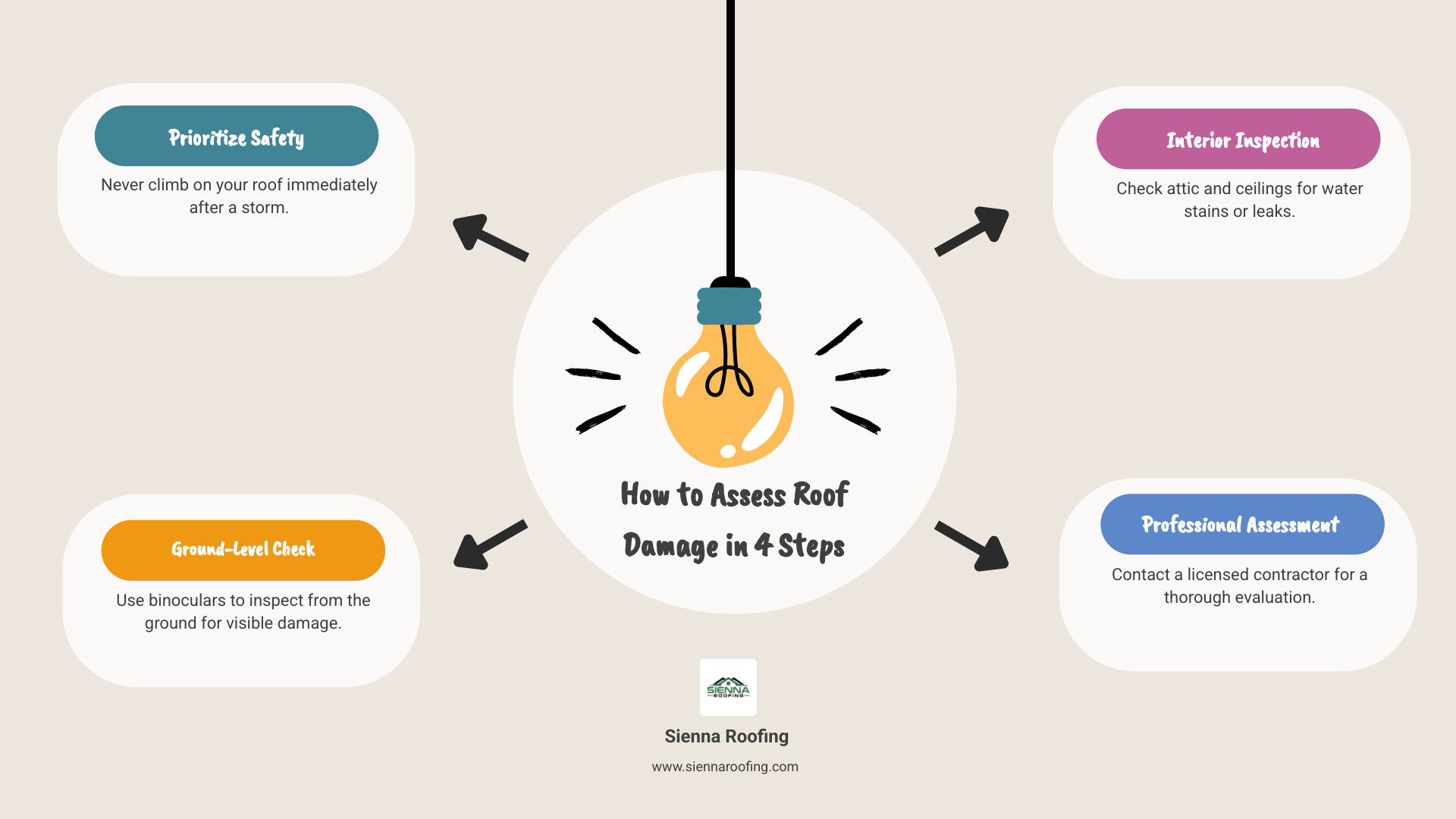
Quick Answer: How to Assess Roof Damage in 4 Steps
- Prioritize Safety: Never climb on your roof immediately after a storm.
- Ground-Level Check: Use binoculars to inspect from the ground for missing shingles, debris, or visible damage.
- Interior Inspection: Check your attic and ceilings for water stains, leaks, or light coming through.
- Professional Assessment: Contact a licensed roofing contractor for a thorough, safe evaluation.
Ignoring potential roof issues is an expensive gamble. According to industry data, homeowners typically spend between $392 and $1,929 on roof repairs, with a national average of $1,150. This cost can skyrocket when minor damage goes undetected and evolves into structural problems, mold growth, or interior water damage that may not be covered by your insurance.
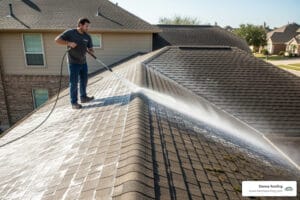
A prompt and thorough roof damage assessment can mean the difference between a simple repair and a full replacement. For a comprehensive and safe evaluation, a professional roof inspection is always your best course of action. This guide walks you through the entire process—from what you can safely check yourself to understanding when professional help is non-negotiable.
Step 1: The Ground-Level Safety Inspection – What to Look For
After a storm, the urge to climb up and check your roof is strong, but your safety is more important than any roof. Never climb onto a roof right after severe weather; the surface could be slippery, structurally compromised, or hiding electrical hazards from downed power lines. Fortunately, you can conduct a thorough initial roof damage assessment from the ground.

Your Ground-Level Inspection Toolkit:
- Binoculars (for a closer, safe look)
- Smartphone or camera (for documentation)
- Notepad (to record findings)
Start by walking around your property, looking at the roof from different angles. Debris in your yard—such as shingle granules, pieces of flashing, or entire shingles—is your first clue. Next, examine your gutters and downspouts. Are they bent, loose, or filled with shingle granules? This is a telltale sign of hail damage. Clogged gutters cause water to back up, creating new problems.
Also, check your home’s siding, windows, fascia, and soffits. Dents or cracks in siding suggest the storm was intense enough to damage the roof. Water stains on fascia and soffits often indicate that water is not draining correctly, pointing to a potential leak.
If you spot any of these warning signs, it’s time to consider professional roofing storm damage repair. What looks minor from the ground can hide bigger problems, and catching them early saves money.
Step 2: Identifying Common Storm Damage by Roof Type
Understanding how different storm forces affect your roof is key to an accurate roof damage assessment. The primary culprits are wind, hail, water, and debris.
- Wind Damage: Hurricane-force winds, classified by meteorologists as 74 mph or greater, create uplift forces that can peel shingles, tear away flashing, and compromise the roof’s structure. Even moderate winds can break shingle seals, leaving your roof vulnerable to rain.
- Hail Damage: Hail can bruise, crack, or puncture roofing materials. The damage isn’t always obvious from the ground but weakens your roof’s protective barrier.
- Water Damage: Heavy rain penetrates areas compromised by wind or hail. Clogged gutters cause water to pool, finding its way into small openings and creating hidden damage.
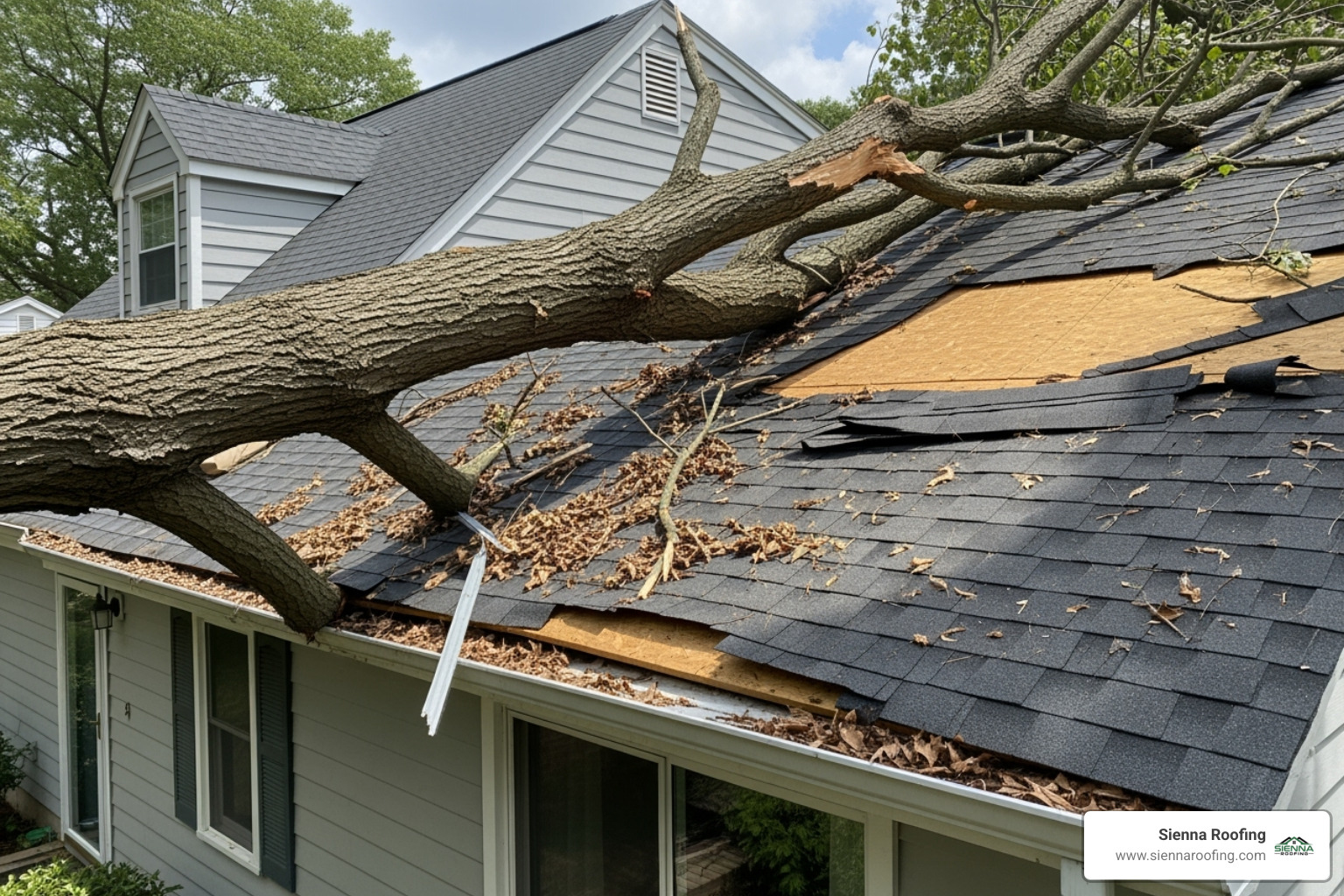
- Debris Impact: Falling branches or other airborne objects can cause the most dramatic damage, sometimes puncturing through multiple roof layers.
Damage Signs on Asphalt Shingles
Asphalt shingles are popular in the Houston area but are vulnerable to storm damage. Look for these signs:
- Missing Shingles: Bare patches are a clear sign of wind damage, exposing the underlayment to water.
- Curled or Lifted Edges: Wind gets under shingle tabs, breaking the adhesive seal and allowing water intrusion.
- Cracked Shingles: Wind can cause fatigue cracks, while hail creates impact cracks that look like spiderwebs.
- Excessive Granule Loss: Hail knocks off the sand-like protective granules. Finding them in your gutters is a critical warning sign. Understanding the signs of hail damaged shingles is crucial for a successful insurance claim.
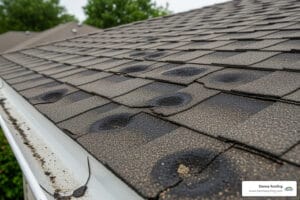
- Bruising or “Hail Hits”: These appear as dark spots where granules are gone and the underlying mat is fractured, accelerating aging.
Damage Signs on Metal, Tile, and Other Materials
Your roof damage assessment must be custom to your specific roofing material.
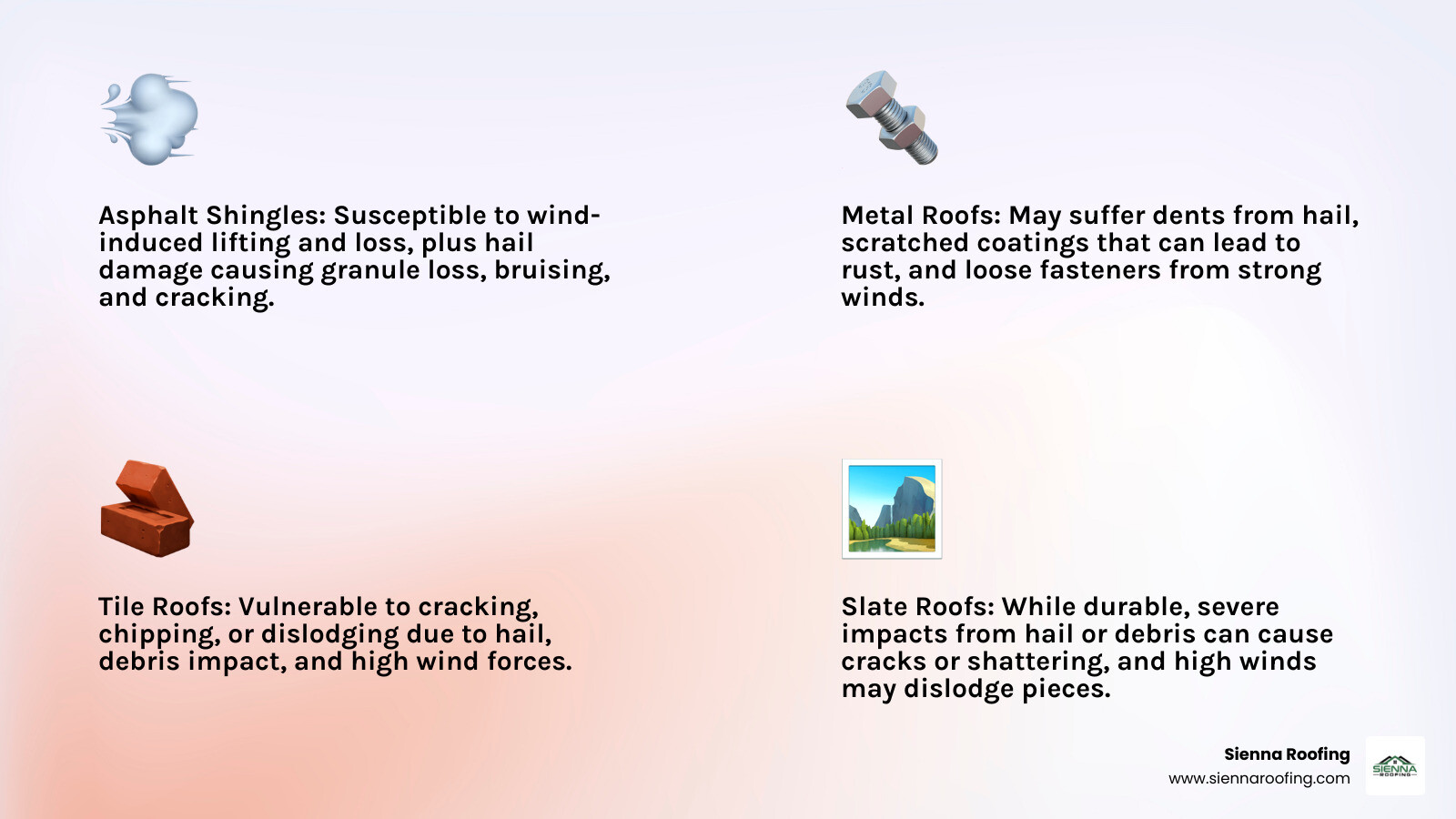
- Metal Roofs: Look for dented panels from hail, which can cause water to pool. Scratches can expose the metal to rust, and strong winds can loosen fasteners, creating entry points for water.
- Tile Roofs (Clay/Concrete): Hail and debris can cause cracked or chipped tiles. Each crack is a potential leak. High winds can also lift and dislodge tiles entirely.
- Slate Roofs: While extremely durable, severe hail can crack or shatter individual slates, and high winds can displace them.
- Wood Shakes: Hail can cause shakes to split or fracture along the grain, while high winds can rip them away.
Step 3: The Interior & Attic Check – Uncovering Hidden Dangers
Often, the most severe storm damage is hidden inside your home. A complete roof damage assessment must include an inspection of your attic and interior spaces to uncover problems that could become catastrophic if ignored.

How to Conduct an Interior and Attic Assessment
First, walk through your home’s upper levels. Look for water stains on the ceiling, peeling paint, or sagging drywall. A musty odor is a primary indicator of mold, which can grow within 24-48 hours of water exposure.
Before entering the attic, prioritize safety. Use a sturdy ladder and ensure the area is stable. Once inside, use a powerful flashlight and follow these steps:
- Step only on wooden joists. The drywall below will not support your weight.
- Look for daylight. Beams of light coming through the roof deck indicate a hole or significant gap.
- Check the insulation. Wet, matted, or compressed insulation is a clear sign of a leak. Compromised insulation loses its R-value and becomes a breeding ground for mold.
- Inspect penetrations. Check around plumbing vents, exhaust fans, chimneys, and skylights. The flashing in these areas is a common failure point. Look for moisture, rust, or cracked sealant.
The Critical Role of Attic Ventilation
Proper attic ventilation is crucial for your roof’s longevity. It prevents moisture buildup and regulates temperature, protecting your roof from the inside out.
- Moisture Control: Ventilation allows warm, moist air to escape, preventing condensation that leads to mold, mildew, and wood rot.
- Heat Reduction: In summer, an under-ventilated attic can act like an oven, cooking your shingles from below and causing them to fail prematurely.
- Ice Dam Prevention: In colder climates, poor ventilation can cause snow to melt and refreeze at the eaves, creating ice dams that force water under your shingles.
Signs of poor ventilation include rust on roofing nails or frost on the underside of the roof deck. An interior inspection isn’t just about finding storm damage—it’s about understanding the complete health of your roofing system.
Step 4: Documenting Damage & Navigating the Professional Roof Damage Assessment Process
After your initial inspection, the next step in your roof damage assessment is to create a detailed record of your findings. This documentation is essential for your insurance claim and for communicating with roofing professionals.
How to Document Damage:
- Take clear photos and videos: Capture wide shots for context and close-ups of specific issues like missing shingles, dented gutters, or ceiling stains.
- Write detailed, dated notes: Record when the storm occurred, when you performed the inspection, and the specific location and nature of the damage.
While your assessment is helpful, it cannot replace professional expertise. A trained roofer can identify damage invisible to the untrained eye and understands how minor issues can escalate. Attempting DIY repairs is dangerous, can void warranties, and may cause more damage. The average professional repair costs around $1,150, but a botched DIY job or an accident can be financially catastrophic.
Filing Your Insurance Claim: A Step-by-Step Guide
- Contact Your Insurer Immediately: Most policies have time limits for reporting storm damage.
- Provide Your Documentation: Submit the photos, videos, and notes you collected.
- Prepare for the Adjuster’s Visit: Have a professional roofer meet with the adjuster. An expert advocate ensures no damage is overlooked.
- Understand the Adjuster’s Methods: Adjusters often use a “test square” method—a 10×10 foot area—to count hail strikes and determine if the damage warrants a full replacement. According to the International Association of Certified Home Inspectors, this method helps quantify damage objectively. Navigating the roofing insurance claims process is easier with a knowledgeable contractor.
How to Choose a Trustworthy Roofing Contractor
After a storm, be wary of “storm chasers”—out-of-state contractors who perform low-quality work and then disappear. Here’s how to find a reliable professional:
- Look for Local Reputation: Choose contractors with deep roots in your community, like those serving Sugar Land and the greater Houston area.
- Verify License and Insurance: Always ask for proof of a Texas contractor’s license, general liability, and workers’ compensation insurance.
- Read Reviews: Check Google, Yelp, and the BBB for consistent positive feedback.
- Avoid High-Pressure Tactics: A trustworthy contractor will not pressure you to sign a contract on the spot or demand large cash payments upfront.
- Get a Detailed Written Estimate: The estimate should outline all costs, materials, labor, and timelines.
- Ask About Warranties: A reputable company offers a workmanship warranty in addition to the manufacturer’s material warranty.
Following a guide on the 7 signs that a roofing company in Sugar Land is trustworthy can help you find reliable roofing companies in Sugar Land, TX.
The Consequences of Neglect: Why Timely Repairs Are Non-Negotiable
Roof damage never improves on its own; it only gets worse. Postponing a roof damage assessment and subsequent repairs leads to exponentially more expensive problems. The consequences of neglect are severe and multifaceted.
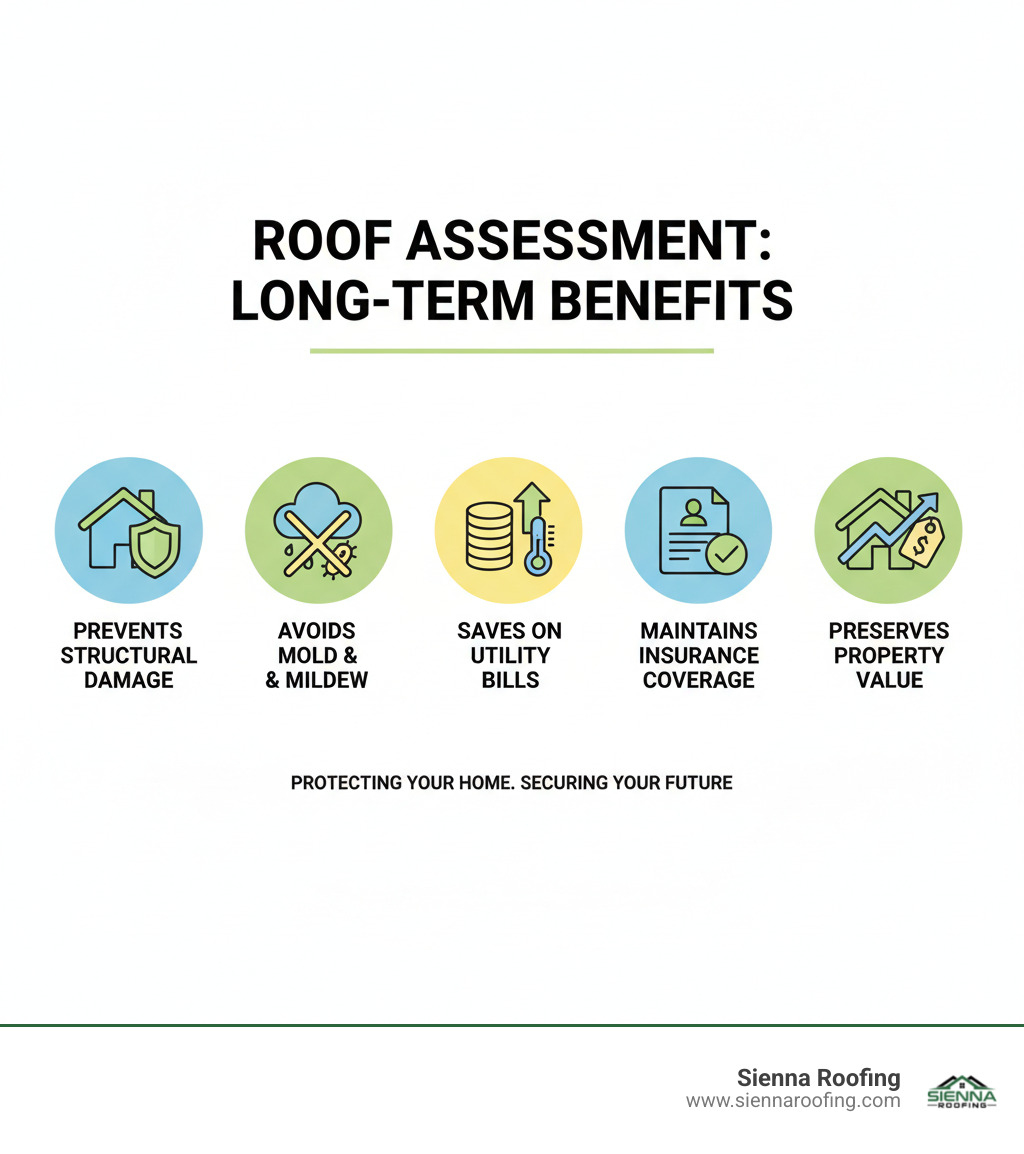
- Progressive Structural Damage: A small leak can cause wood rot in your roof decking, rafters, and wall studs, compromising your home’s structural integrity.
- Interior Mold and Mildew Growth: Persistent moisture creates a breeding ground for mold, which can spread through drywall and insulation, posing serious health risks to your family, especially those with allergies or asthma.
- Higher Utility Bills: A damaged roof compromises insulation, forcing your HVAC system to work harder and driving up heating and cooling costs.
- Voided Insurance Coverage: Most policies cover “sudden and accidental” damage. If you ignore a problem, insurers can deny future claims by classifying the escalated damage as neglect, which is not covered.
- Decreased Property Value: A damaged roof dramatically reduces your home’s market value and can deter potential buyers entirely.
The cost of a timely repair is a fraction of what you will spend on mold remediation, structural repairs, and a premature roof replacement. Ignoring a small problem today can lead to a bill for tens of thousands of dollars tomorrow.

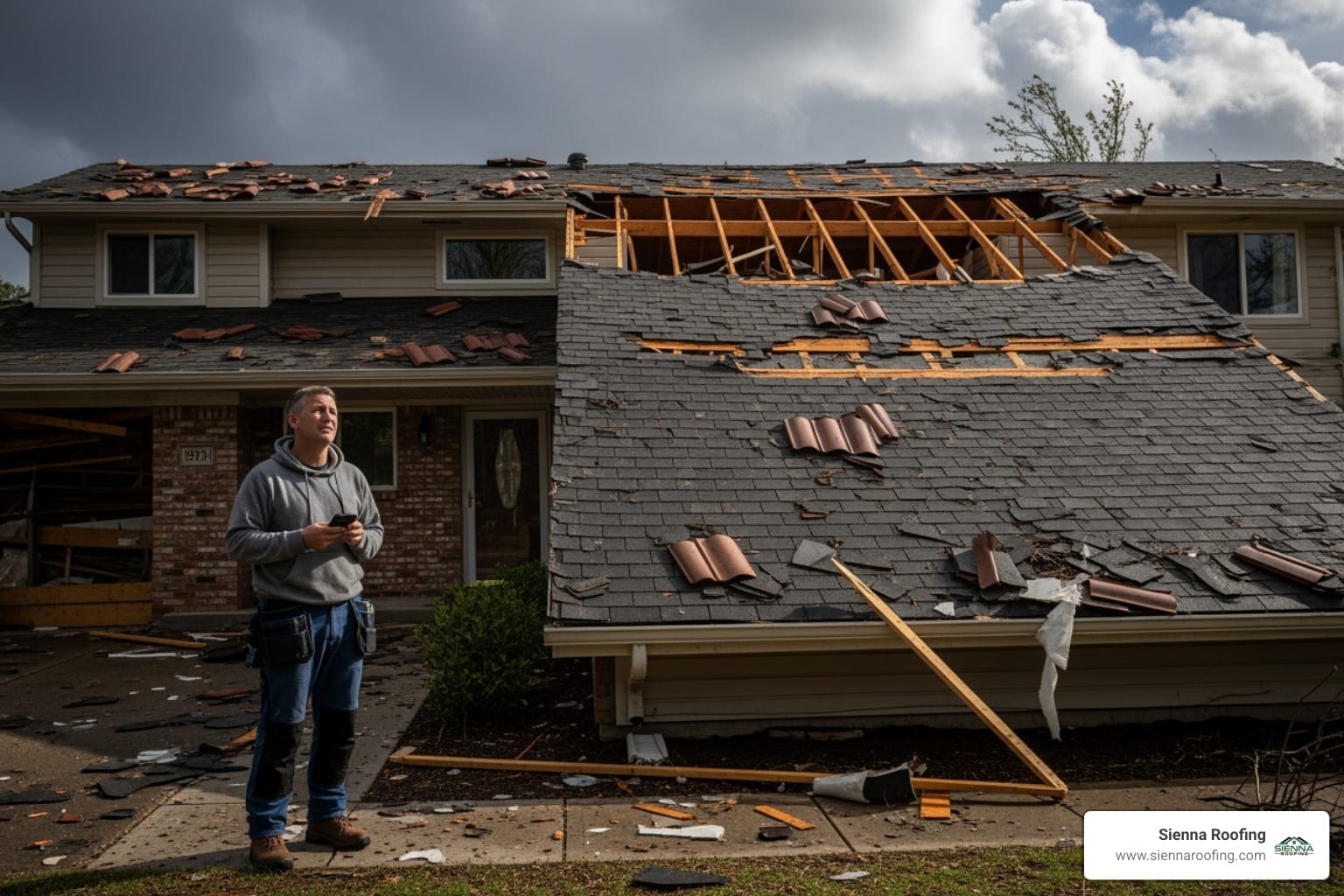
The image above is a stark reminder of what happens when a roof damage assessment is delayed. Your roof protects your most valuable asset; treat its health as a top priority.
Frequently Asked Questions about Roof Damage Assessment
How much does a professional roof inspection cost?
Many reputable roofing contractors, including Sienna Roofing, offer a free, no-obligation inspection, especially after a storm. This initial assessment is a critical first step in understanding your roof’s condition and identifying necessary repairs. You can learn more about what to expect with this best free roof estimate guide.
Can I perform temporary repairs myself after a storm?
Attempting DIY repairs is extremely risky. Climbing on a storm-damaged roof can lead to serious injury, and improper repairs can cause new leaks or void your warranty. While emergency tarping may be necessary to prevent further water intrusion, it should only be done if you can do so safely from a ladder. Calling a professional is always the safest and most effective solution.
How long does a roof insurance claim typically take?
The timeline for a roof insurance claim can range from a few weeks to several months. The duration depends on your insurance provider, the extent of the damage, and the volume of claims in your area. Providing thorough documentation and working with an experienced roofer who understands the claims process can help expedite the timeline.
Protect Your Investment with a Professional Assessment
Your home is your most significant investment, and your roof is its primary shield. A thorough roof damage assessment after a storm is not just about fixing what’s broken—it’s about protecting your family, preserving your property value, and preventing small problems from becoming financial disasters.
While a homeowner’s inspection is a valuable first step, it cannot replace the expertise of a trained professional. Roofers have the specialized training, safety equipment, and experience to spot critical issues you might miss. They understand the nuances of insurance claims and can advocate on your behalf to ensure you receive the coverage you deserve.
At Sienna Roofing, we have conducted thousands of post-storm assessments throughout the Houston Metro area. We provide honest, transparent evaluations with no pressure because we believe every homeowner deserves to know the true condition of their roof.
Don’t wait for a small leak to become a collapsed ceiling. The longer damage goes unaddressed, the more expensive and complex the repairs become. If your roof has been through a recent storm or you’ve noticed any warning signs, now is the time to act.
Protect your home by ensuring its first line of defense is secure. Contact us online at Sienna Roofing to schedule your comprehensive, professional roof damage assessment today. We’ll provide the peace of mind that comes from knowing exactly where you stand and a clear path to keeping your roof strong for years to come.