Storm Damage Experts: Ultimate Trusted Guide 2025
Why Storm Damage Experts Matter After Texas Weather Events
Storm damage experts are licensed professionals who assess, document, and repair property damage from severe weather. After a major storm in the Houston area, finding a qualified expert is the difference between a properly restored home and years of costly problems. For Houston-area residents, acting quickly is essential, but acting wisely is critical. Sienna Roofing provides expert storm damage restoration and comprehensive assessments to help you steer this stressful process with confidence.
Quick Answer: How to Evaluate Storm Damage Experts
Look for these essential qualifications:
- Licensed and insured in Texas with verifiable credentials
- Local physical office with a permanent address
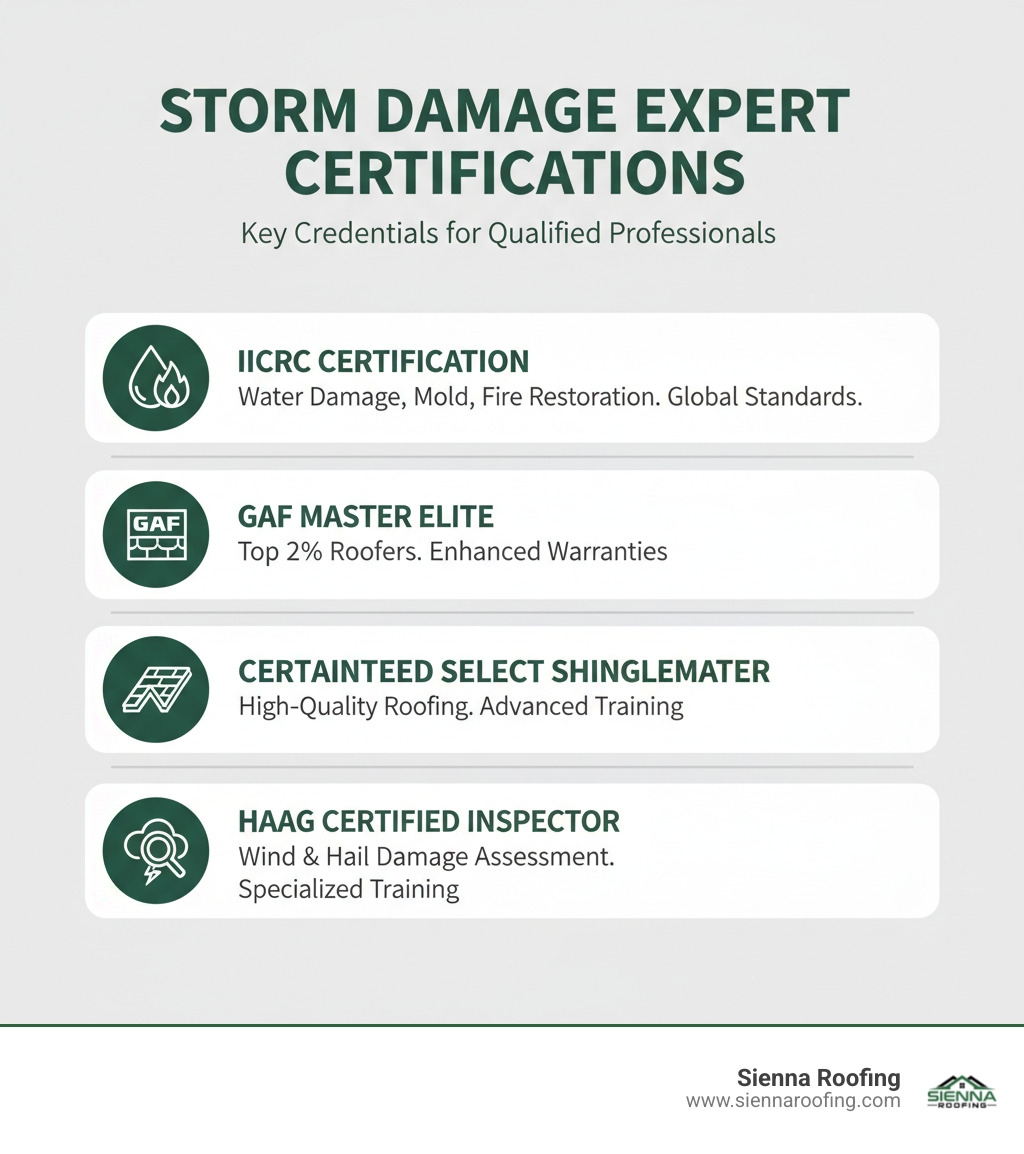
- IICRC certification or manufacturer certifications (e.g., GAF Master Elite)
- Positive online reviews from local customers
- Willingness to provide references and proof of insurance
- Detailed written estimates with a clear scope of work
- Experience with insurance claims and local building codes
Avoid these red flags:
- Demands for large upfront payments (over 10-20%)
- High-pressure sales tactics or limited-time offers
- Vague contracts without specific materials or timelines
- Out-of-state contractors with no local presence
- Refusal to provide licensing or insurance information
The aftermath of a severe storm brings chaos and vulnerability, attracting “storm chasers” who prioritize profit over quality. These fly-by-night operators often disappear before warranties come into play, leaving homeowners with substandard repairs and denied insurance claims.
Legitimate storm damage restoration requires specialized knowledge. Wind exceeding 50-60 mph can cause structural damage invisible from the ground. Hail creates fractures in shingles that may not leak for months. A qualified expert knows how to identify these hidden issues and document them properly for insurance purposes.
As Andre Castro, CEO of Sienna Roofing & Solar, states, “My experience has taught me exactly what separates true storm damage experts from imposters who prey on disaster victims. The difference often comes down to the questions you ask before signing a contract.”
This guide will show you what to look for, what to avoid, and how to protect your most valuable investment.
Assessing the Aftermath: Your First Steps & What Experts Look For
The actions you take immediately after a storm will shape everything that follows, from the quality of your repairs to the success of your insurance claim. Here’s what to do and what professionals look for.
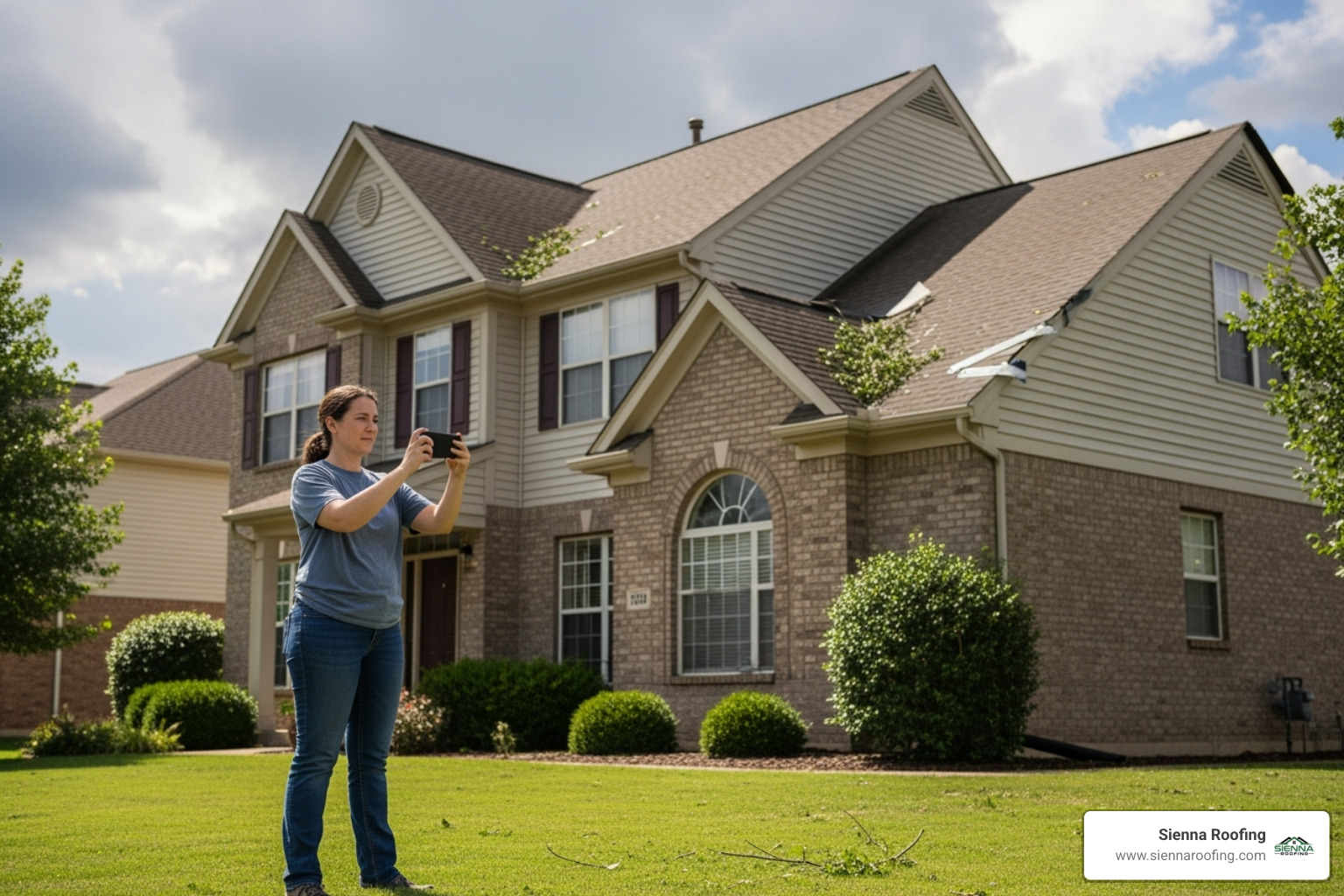
Immediate Steps for Property Owners
More people get hurt after storms than during them. Before doing anything else, ensure it is safe to proceed.
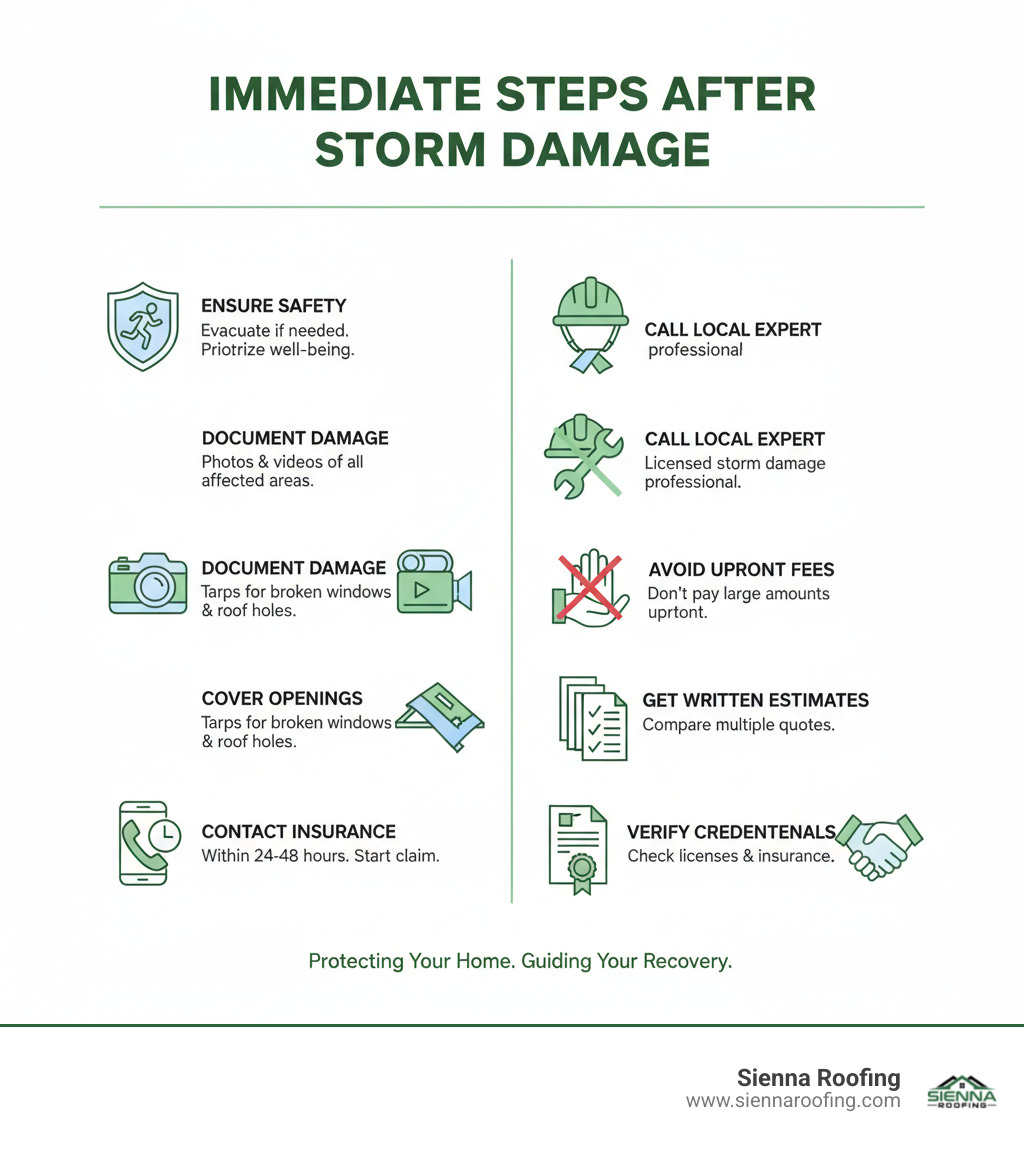
- Prioritize Safety: Stay out of your home if you see structural damage like sagging ceilings or cracked beams. Watch for downed power lines, which can energize puddles and fences. Evacuate immediately if you smell gas or see sparks.
- Shut Off Utilities: If water is present or you see electrical damage, cut power at the breaker box to prevent fires and electrocution.
- Document Everything: Use your phone to take extensive photos and videos of all damage, inside and out. Capture multiple angles, close-ups, and wide shots. This visual proof is critical for your insurance claim.
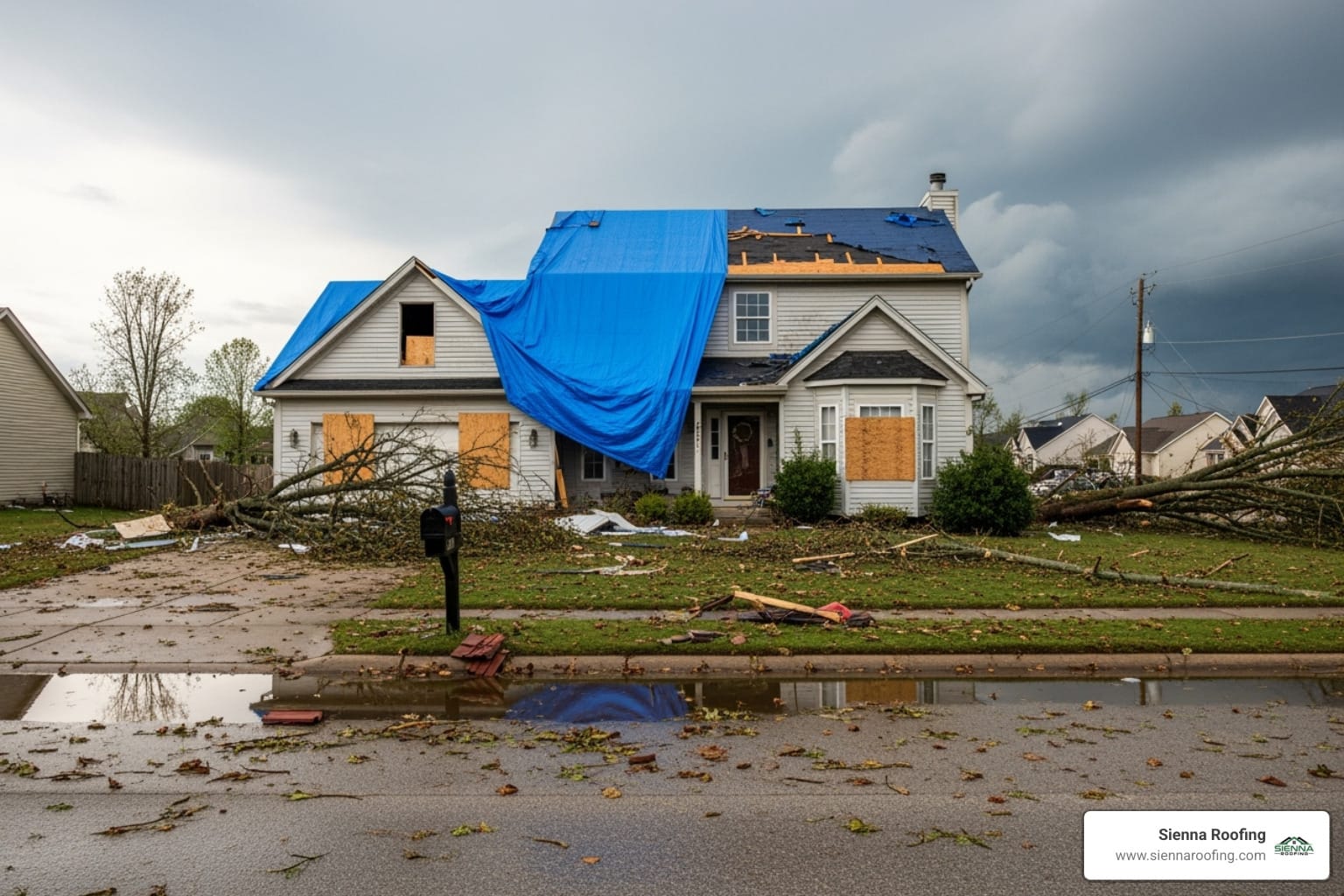
- Prevent Further Damage: Cover broken windows with plywood and tarp roof holes if you can do so safely from the ground. Never climb onto a damaged roof yourself. For significant damage, professional emergency roof repair services can secure your property safely.
- Contact Your Insurer: Notify your insurance agent within 24 to 48 hours. Review your policy to understand your coverage, deductible, and claim requirements.
Common Types of Storm Damage
Texas weather leaves a distinct signature of damage. Knowing what to look for helps you communicate effectively with contractors and insurers.
- Wind Damage: Look for missing or lifted shingles, which expose the roof decking to water. Debris impact from projectiles like tree branches can also puncture siding, crack windows, or create holes in your roof.
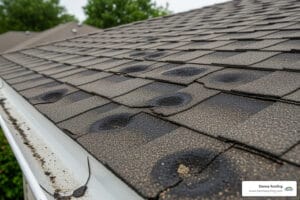
- Hail Damage: This is often subtle. Look for dents or pockmarks on shingles and granule loss, which appears as dark spots where the protective shingle coating has been knocked off. This accelerates aging and shortens your roof’s lifespan. Learn to identify hail and wind damage to your roof to avoid missing critical issues.
- Water Damage: Interior leaks are just the start. Water travels behind walls and under floors, creating ideal conditions for mold growth within 24 to 48 hours. A musty smell indicates a hidden problem.
- Siding and Gutter Damage: Damaged siding and gutters compromise your home’s weather protection system. Faulty gutters can lead to foundation damage and erosion.
Storm damage assessment requires expertise. What looks minor from the ground can be a sign of catastrophic failure, which is why qualified storm damage experts use specialized tools and training for every inspection.
The Ultimate Guide to Vetting Storm Damage Experts
After securing your property, the next step is finding the right help. A local, reputable professional will guide you through the restoration, while an imposter can leave you with shoddy work and financial loss. Here’s how to tell them apart.
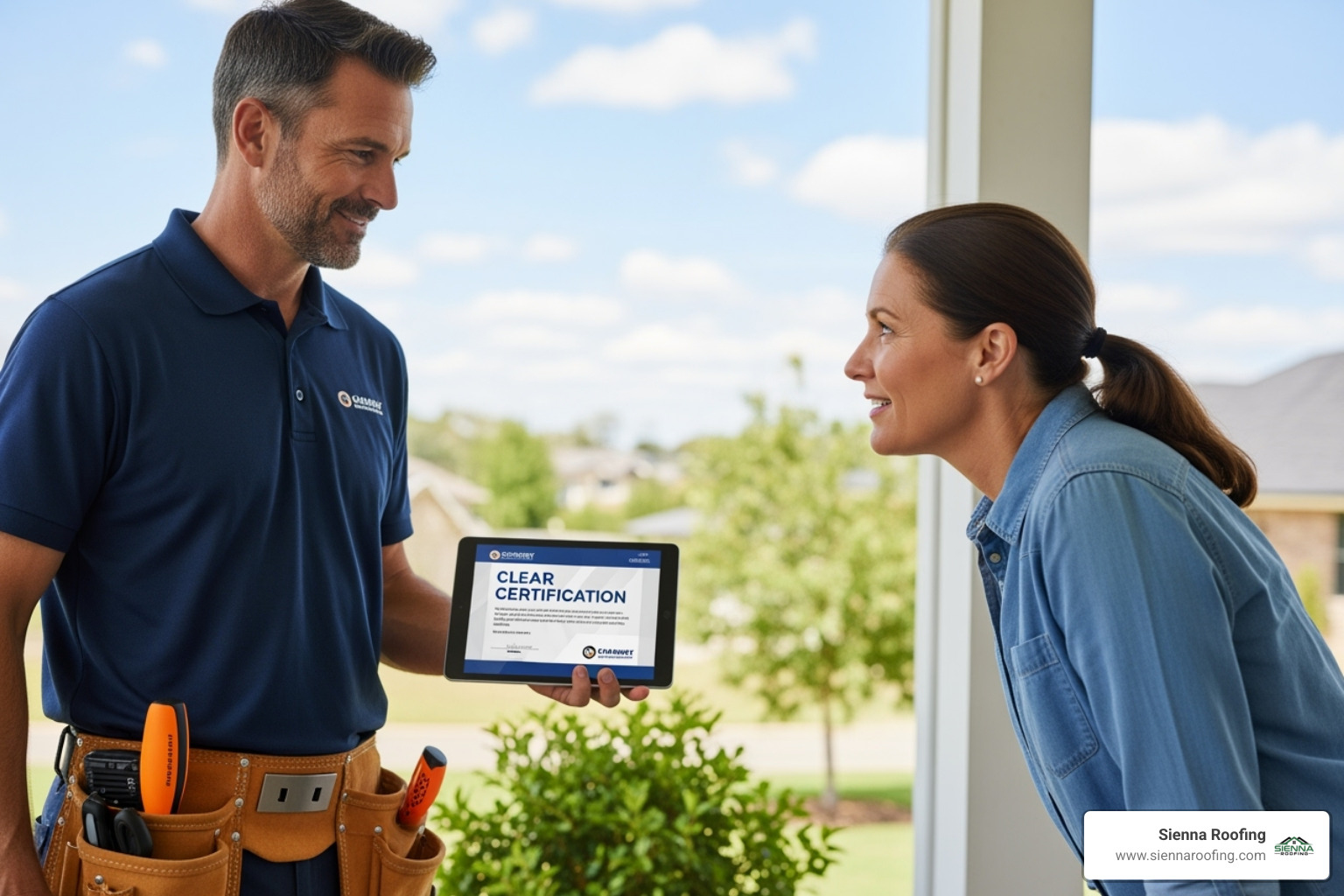
Essential Qualifications for Storm Damage Professionals
Choosing a contractor is about protecting your most valuable asset. A true professional will be your advocate. Insist on the following qualifications:
- Licensing and Insurance: Verify they are licensed and insured in Texas. Ask for proof of general liability and worker’s compensation insurance and call the carrier to confirm the policy is active.
- Local Presence: A permanent, physical office in your community means accountability. They have a reputation to uphold and will be there to honor warranties.
- Proven Reputation: Check online reviews on Google and the Better Business Bureau. A reputable contractor will also provide references from past local clients.
- Specialized Experience: Storm restoration requires different skills than standard construction. Look for years of experience specifically in storm damage repair and insurance claims.
- Industry Certifications: Credentials prove a contractor has invested in training. The IICRC certification from the Institute of Inspection, Cleaning and Restoration Certification is the gold standard for water and mold restoration. For roofing, manufacturer certifications like GAF Master Elite or CertainTeed SELECT ShingleMaster signify top-tier expertise and access to improved warranties.
- Detailed Contracts: A professional provides a detailed, written estimate outlining the scope of work, materials, timelines, and costs. Vague promises are worthless.
Red Flags: How to Spot a “Storm Chaser”
Disasters attract opportunists. “Storm chasers” prey on vulnerable homeowners with deceptive practices. Watch for these warning signs:
- High-Pressure Tactics: A contractor insisting you sign a contract immediately is using manipulation, not sound business practice.
- Large Upfront Payments: A deposit of 10-20% is standard. Demands for more, especially in cash, are a major red flag for contractors who take money and disappear.
- Vague Contracts: An incomplete or unclear contract is a sign of trouble. It should be a detailed blueprint of the entire project.
- Out-of-State Presence: Out-of-state license plates combined with no local address or phone number suggest a temporary operator who won’t be around to fix problems.
- Aggressive Door-to-Door Sales: Be cautious of unsolicited offers for “free inspections.” This is a common tactic to pressure homeowners into quick, uninformed decisions.
- Refusal to Provide Credentials: If a contractor cannot or will not show you their license and insurance, walk away immediately. This is non-negotiable.
Navigating the Restoration: From Insurance Claims to Final Repairs
Once you’ve chosen a trusted storm damage expert, the recovery journey begins. This phase involves a critical partnership between you, your contractor, and your insurance company to restore your home and peace of mind.
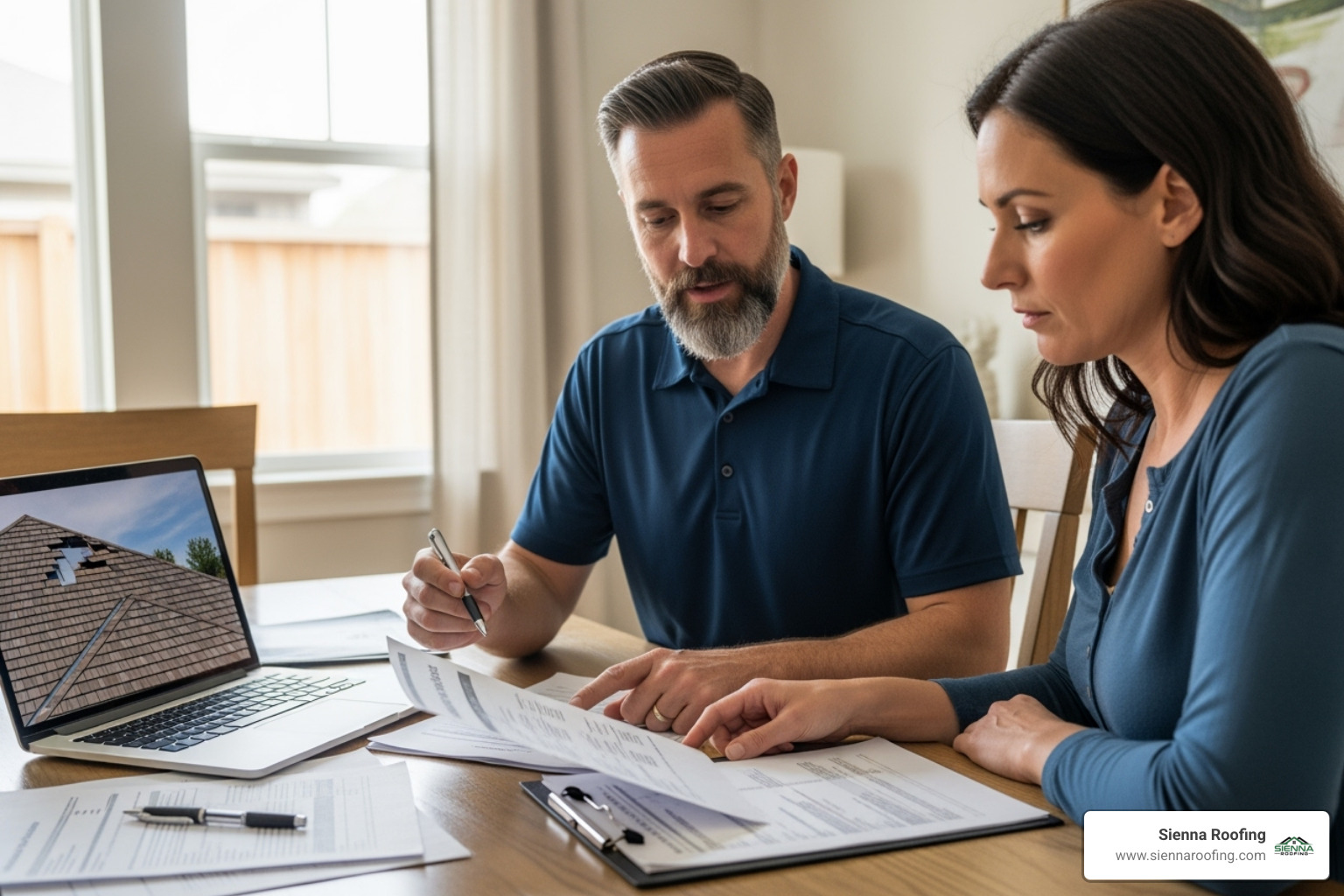
How Storm Damage Experts Assist with Insurance Claims
Dealing with insurance claims is complex. A seasoned storm damage expert acts as your advocate.
They start by creating a detailed damage assessment report, using photos and precise measurements to document both obvious and hidden issues. This forensic-level examination serves as crucial evidence for your claim. An expert should be present during the adjuster’s visit to speak their language, point out all damage, and ensure nothing is overlooked.
They also help negotiate the scope of work, pushing back on lowball estimates with supporting documentation. The goal is to ensure your policy covers all damage, not just surface issues. For more on this, see our complete guide to roof insurance claims.
The Professional Restoration Process
Storm damage restoration is a carefully orchestrated sequence of steps:
- Emergency Mitigation: This includes tarping the roof and boarding up windows to prevent further water intrusion.
- Water Extraction and Drying: Industrial-grade equipment is used to remove water and thoroughly dry the structure, preventing mold growth.
- Debris Removal: The property is cleared of all storm-related debris for safety and access.
- Structural Repairs: The home’s framework is repaired to meet or exceed local building codes.
- Exterior and Interior Reconstruction: This includes roof replacement, siding repair, new drywall, and painting to restore your home to its pre-storm condition.
- Final Inspection: A final walkthrough is conducted with you to ensure every detail meets your satisfaction and all work complies with codes and warranties.
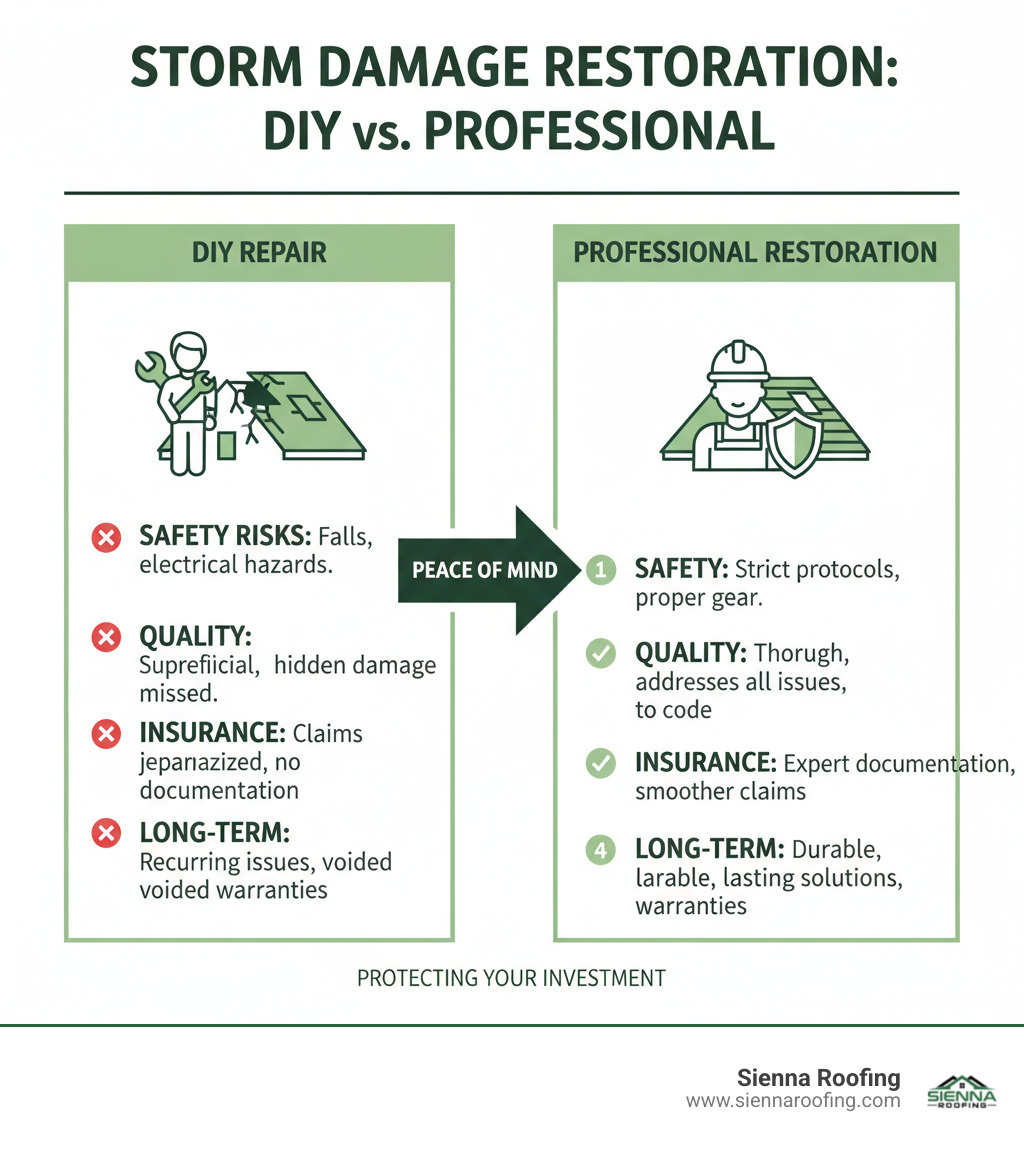
DIY vs. Professional Storm Damage Restoration
While DIY may seem cheaper, storm damage restoration is not a DIY project. The risks are significant:
- Safety: Working on damaged roofs or near electrical hazards is extremely dangerous without proper training and equipment.
- Quality: Homeowners often fix visible issues while missing underlying problems like trapped moisture, which leads to rot and mold.
- Insurance Validity: Improper DIY repairs can cause insurers to reduce or deny your claim.
- Voided Warranties: Many building material warranties require professional installation to remain valid.
Choosing qualified storm damage experts ensures repairs are done safely, correctly, and comprehensively, protecting your home and your investment.
Frequently Asked Questions about Storm Damage Repair
After a storm, questions are inevitable. Here are clear, expert answers to some of the most common inquiries we receive.
How long does it take to fix storm damage?
The timeline is highly variable. Minor repairs may take a few hours, while a full roof replacement can take a few days to a week. Extensive structural damage or water remediation can extend the project to several weeks. A professional storm damage expert will provide a realistic timeline after a thorough inspection, factoring in the extent of damage, material availability, and weather conditions.
Will my homeowner’s insurance cover all storm damage repairs?
Most homeowner’s policies cover damage from sudden events like wind and hail, but coverage varies. Key factors include:
- Policy Type and Deductible: Your policy dictates what is covered and how much you pay out-of-pocket.
- Cause of Damage: Insurance covers storm-related damage, not pre-existing issues from neglect. A professional assessment is vital to attribute damage correctly.
- Flood Insurance: Standard policies do not cover flooding; this requires a separate policy.
An expert can help ensure your claim accurately reflects the full extent of the damage, maximizing your coverage.
What are the long-term consequences of not addressing storm damage?
Ignoring even minor storm damage leads to severe, costly problems. Restoration professionals emphasize that untreated damage can cause:
- Structural Deterioration: Small leaks lead to wood rot in your roof deck and wall framing, compromising your home’s integrity.
- Mold and Mildew Growth: Trapped moisture creates a breeding ground for mold, which poses health risks and requires expensive remediation.
- Decreased Property Value: Unrepaired damage is a major red flag to potential buyers and significantly reduces your home’s market value.
- Denied Future Insurance Claims: Insurers may deny future claims if they find pre-existing, unaddressed damage.
Prompt action with qualified storm damage experts protects your investment, health, and peace of mind.
Your Partner in Storm Recovery
The journey to recover after a storm can be daunting, but you don’t have to face it alone. Choosing the right storm damage experts is the most critical decision you’ll make, impacting the safety, integrity, and value of your home for years to come.
At Sienna Roofing, we are committed to being your trusted partner in storm recovery. As a local, community-driven company, we understand the unique challenges our Houston-area neighbors face. We pride ourselves on providing personalized service, expertly navigating insurance claims, and delivering high-quality roofing and solar solutions with a 100% satisfaction guarantee.
Don’t let the chaos of a storm lead you to an imposter. Act quickly, but wisely, and choose proven storm damage experts who put your home and your peace of mind first.
For a trusted assessment and guaranteed satisfaction on your storm damage repairs, schedule your free inspection online. We’re here to help you weather any storm.