Understanding the True Cost of Roof Repair
When you need an estimate for roof repair, seeing national average costs that typically range from $392 to $1,913 can be daunting, yet also misleadingly simple. A leaking roof is more than an inconvenience; it’s a major stressor that threatens the safety and integrity of your entire home. The good news is that the vast majority of roof repairs are far more affordable than a full replacement, especially when the issue is identified and addressed early. For homeowners in Texas, finding a reliable Sugar Land roofing company that understands the local climate is the critical first step toward restoring your peace of mind. This comprehensive guide will break down every factor that influences repair costs, from minor fixes like a single missing shingle to major structural work involving rafters and decking, so you can fully understand any quote you receive and make an informed decision.
Quick Cost Overview:
- Minor repairs: $150 – $500. This category typically includes isolated issues like replacing a few blown-off shingles, sealing a leaking vent pipe flashing, or addressing nail pops. These are often quick fixes that prevent larger problems.
- Moderate repairs: $500 – $1,500. These repairs involve more significant issues, such as repairing or replacing flashing around a chimney, fixing a leak in a roof valley, or replacing a larger section of damaged shingles (up to a 10×10 foot square).
- Major repairs: $1,500 – $3,500+. This tier covers extensive damage, such as repairing rotted roof decking, fixing structural issues like sagging rafters, or addressing widespread leaks that have affected multiple areas of the roof.
- Emergency repairs: Add 30-50% to standard costs. When a storm hits overnight and water is actively entering your home, you need immediate service. This premium covers the roofer’s rapid, often after-hours, response to mitigate damage.
As Andre Castro, founder of Sienna Roofing, notes, “With over two decades of experience in the Houston area, my goal is to help homeowners understand exactly what goes into an estimate for roof repair. We explain the process, explaining the ‘why’ behind every line item, so you can feel confident in the work being done and avoid costly surprises down the road.” We’ll cover everything from the nuances of labor rates and material matching to the complexities of permit requirements and emergency fees, ensuring you’re fully prepared for what’s ahead.
What Factors Into a Professional Estimate for Roof Repair?
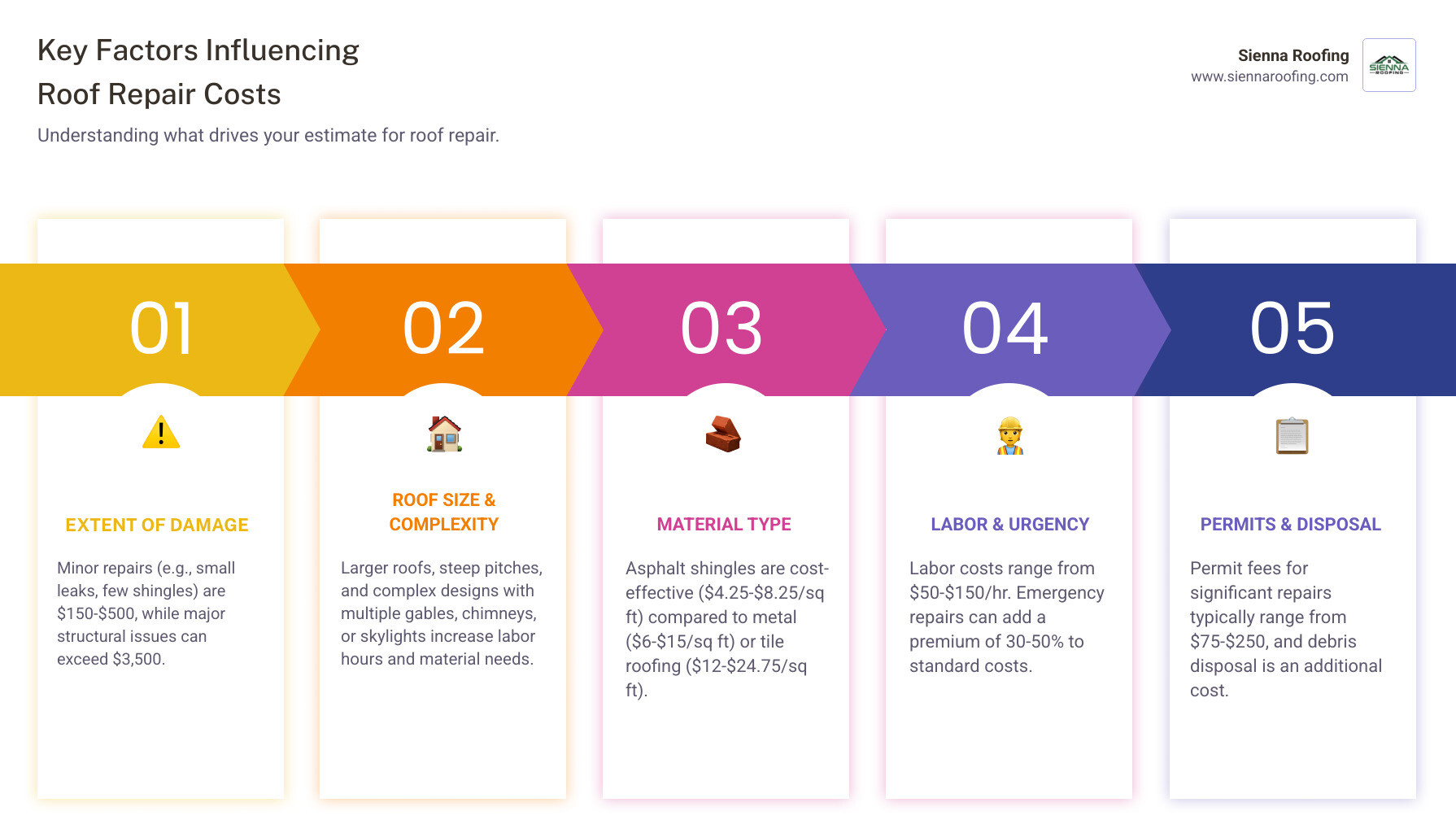
An accurate and transparent estimate for roof repair goes far beyond a simple price per square foot. Professional roofers conduct a thorough assessment, considering multiple interconnected factors that impact your final bill. The most significant of these is the damage extent. A few missing shingles after a windstorm is a relatively simple fix, but widespread granule loss, hail damage across multiple slopes, or a persistent leak that has saturated the underlying wood sheathing are far more complex and costly problems. A skilled roofer will not only identify the obvious damage but also look for hidden issues that could cause problems later.
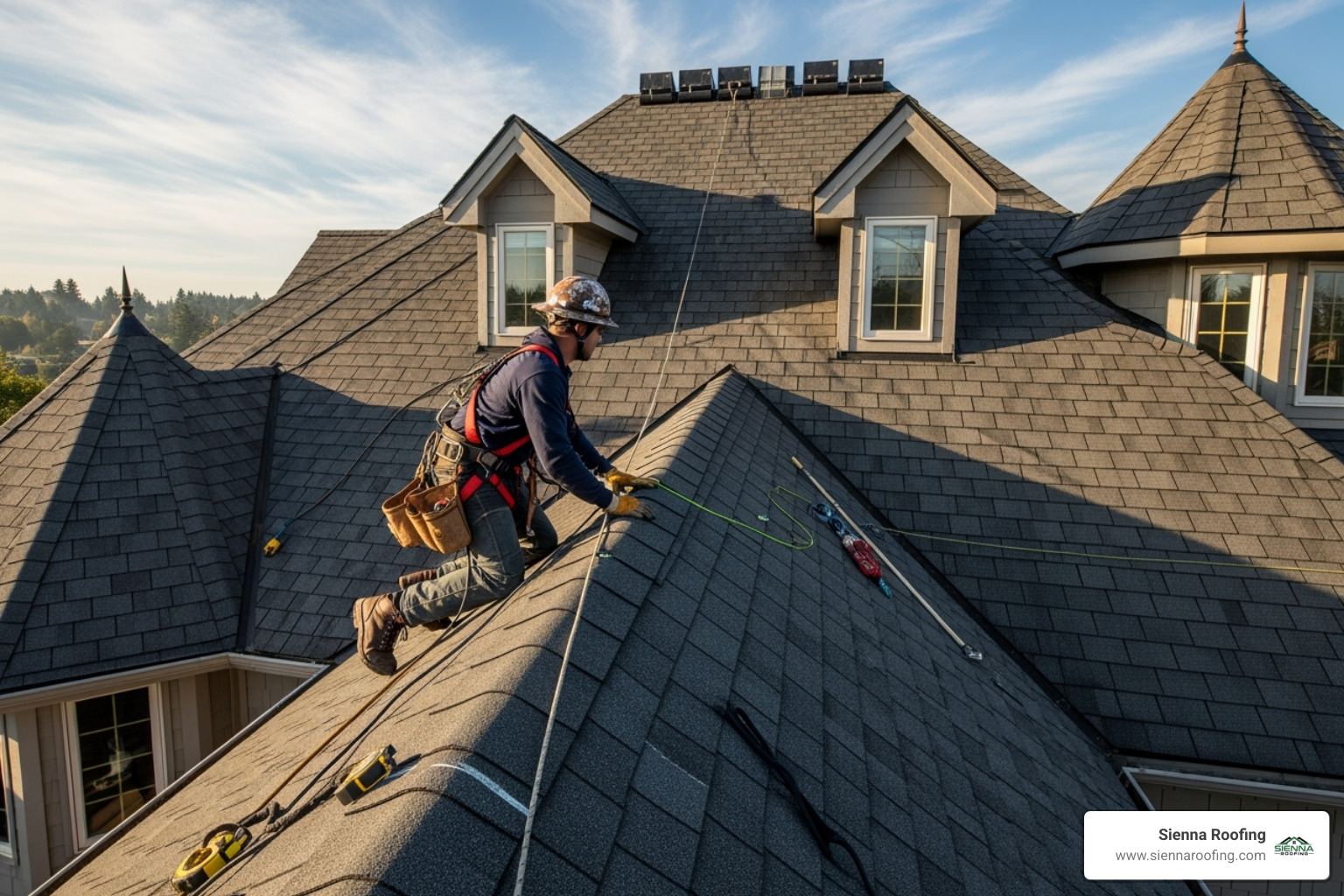
Other key factors include your roof’s size, complexity, and pitch (steepness). A larger roof naturally requires more materials and labor hours. However, complexity is just as important. A simple, low-slope gable roof is much easier and faster to work on than a steep, multi-faceted hip roof with numerous dormers, valleys, and skylights. Steep roofs (typically those with a pitch greater than 6/12) require specialized safety equipment like harnesses and roof jacks, which increases labor time and cost.
Accessibility to the roof and local labor costs also play a significant role. If your home is surrounded by delicate landscaping, fences, or has difficult access for ladders and equipment, the setup time and labor costs will increase. In the Houston metropolitan area, labor rates can vary based on the roofer’s experience and the specific skills required. Finally, the material type of your existing roof and whether permits are required for the scope of work will affect the total cost. A trustworthy roofer will provide a detailed breakdown, walking you through each of these factors so you understand precisely what you are paying for.
Labor, Materials, and Permits
These three elements form the core of every estimate for roof repair. Labor is often the largest component, typically accounting for 60% or more of the total cost. In the Houston area, hourly rates for skilled roofing labor can range from $50 to $150 per hour. This range reflects the roofer’s expertise; a generalist might be on the lower end, while a specialist certified in slate or tile repair will command a higher rate. Material costs vary dramatically based on what’s on your roof. A bundle of basic asphalt shingles might cost $50, while materials for a comparable repair on a standing seam metal or clay tile roof could be over $800. Investing in quality materials that precisely match your existing roof is crucial not just for aesthetics but for maintaining your roof’s performance and warranty. Permit fees in Texas municipalities generally range from $75 to $250 for repairs. Permits are typically required for any structural work or when a large percentage of the roof is being repaired, ensuring the work is performed to local building codes for your safety. For more details on what’s included, you can learn about our roof repair services.
The Urgency Factor: Emergency vs. Standard Repairs
When a tree branch crashes through your roof during a hurricane or a sudden leak appears during a torrential downpour, you need immediate help. This urgency comes at a premium. Emergency repairs typically cost 30% to 50% more than the same repair scheduled during normal business hours. This surcharge covers the contractor’s immediate mobilization, after-hours or holiday labor rates, and the increased risk of working in potentially hazardous conditions. Some contractors may charge a flat emergency call-out fee of $200 to $500 on top of the repair costs. In many emergency situations, the first step is temporary tarping to prevent further interior water damage while waiting for a break in the weather to perform permanent repairs. This critical service can cost between $1.20 and $3.36 per square foot but is a wise investment that can save you thousands in drywall, insulation, and flooring replacement.
How Roof Size and Complexity Impact Your Estimate
Your roof’s unique architectural characteristics significantly influence the final repair costs. Beyond the total square footage, a steep pitch is a primary cost driver, often increasing labor costs by 25% or more due to the extensive safety precautions and slower pace required. Multi-story homes present logistical challenges for getting materials and debris up and down, which can add to the labor time. Architectural features like skylights, chimneys, and dormers are common leak points and require meticulous, time-consuming work to flash and seal correctly. Repairing the flashing around a single chimney can take much longer than replacing shingles in an open field of the same size. Finally, poor accessibility due to trees, power lines, or adjacent structures can drive up costs if special equipment like a boom lift is needed to safely reach the damaged area.
Common Houston Roof Repairs and Their Average Costs
Houston’s unique climate, characterized by intense summer heat, high humidity, and the ever-present threat of hurricanes and severe thunderstorms, leads to a predictable set of common roof problems. Understanding the typical costs for these issues helps you budget effectively and avoid sticker shock when you receive an estimate for roof repair. The price ranges below reflect typical costs in the Houston area, which account for local labor rates and material availability.
| Common Roof Repair | Typical Causes | Average Cost Range (Houston Area) |
|---|---|---|
| Roof Leaks | Missing/damaged shingles, flashing issues, cracked vents, aged sealant, storm damage | $500 – $2,000 |
| Missing Shingles | High winds, improper installation, age, foot traffic | $195 – $1,000+ |
| Flashing Repair | Age, improper installation, rust, storm damage (around chimneys, vents, skylights) | $300 – $2,500+ |
| Vent Repair | Weather damage, deterioration of plastic vents, blockages, animal intrusion | $75 – $395+ |
| Roof Valley Repair | Poor installation, debris buildup, ice dams, age | $300 – $1,000+ |
| Soffit & Fascia Repair | Water damage, rot, pest infestation, age | $600 – $6,000 |
| Roof Truss/Rafter Repair | Prolonged leaks, heavy loads (snow/ice), structural defects, pest damage | $500 – $6,000 |
| Sagging Roof | Structural damage, excessive weight, waterlogging, foundation issues | $1,500 – $7,000 |
| Skylight Repair | Leaky seals, cracked glass, flashing issues, age | $300 – $2,500+ |
| Chimney Repair | Flashing issues, deteriorating mortar, cracked crowns, siding damage | $900 – $2,500+ |
Ignoring any of these issues is a recipe for disaster. A small problem, if left unaddressed, will almost always escalate into a bigger, more expensive crisis. That mysterious water stain on your ceiling is a clear warning sign that should be investigated by a professional immediately.
Leaks, Shingles, and Flashing: The Usual Suspects
These three issues account for the vast majority of roof repair calls in the Houston area. Roof leaks are the most urgent concern, with repair costs typically falling between $500 and $2,000. The primary challenge, and a key part of the cost, is the diagnostic work required to pinpoint the exact entry point, as water can travel along rafters and decking before showing up on your ceiling, far from the source. Missing or damaged shingles are a common sight after Houston’s high winds, with simple repairs starting around $195 for a few shingles. If a larger area is damaged, replacing a 100-square-foot section (a roofer’s “square”) can cost from $420 to $1,200, depending on the shingle type and roof complexity. Flashing repairs are critical for maintaining watertight seals at the most vulnerable points of your roof: where surfaces intersect or are penetrated. These repairs generally run from $300 to $1,000. However, re-flashing a large or complex brick chimney can be a highly detailed job costing up to $2,500 or more.
Structural and Component Repairs: Soffits, Fascia, and Trusses
When damage extends beyond the roofing material to the underlying components, the repairs become more serious and costly. Fascia and soffit repairs address the boards along your roofline and under the eaves. These components are highly susceptible to water damage from clogged gutters or ice dams. Costs can range from $600 for a small section of wood rot to over $6,000 if long stretches of board need to be replaced and painted. Roof truss and rafter repairs are serious structural interventions, with costs ranging from $500 for sistering a single cracked rafter to over $6,000 for more complex truss system repairs. This is not a DIY job and requires engineering knowledge. A sagging roof is the most alarming structural problem, signaling deep-seated issues that can cost $1,500 to $7,000 to rectify. The cause could be anything from undersized rafters to widespread rot in the roof deck, and it requires immediate professional assessment. If you’re curious about What is the Most Common Roof Repair?, we have more detailed insights on our blog.
How Your Roofing Material Affects the Final Repair Bill
Your roof’s material is a primary driver of cost in any estimate for roof repair. Different materials not only have vastly different price points but also require specific tools, techniques, and levels of expertise to repair correctly. The principle is simple: repairing a high-performance, long-lasting roofing system costs more than fixing a standard one, much like servicing a luxury car costs more than an economy model.
Asphalt Shingle Repair Costs
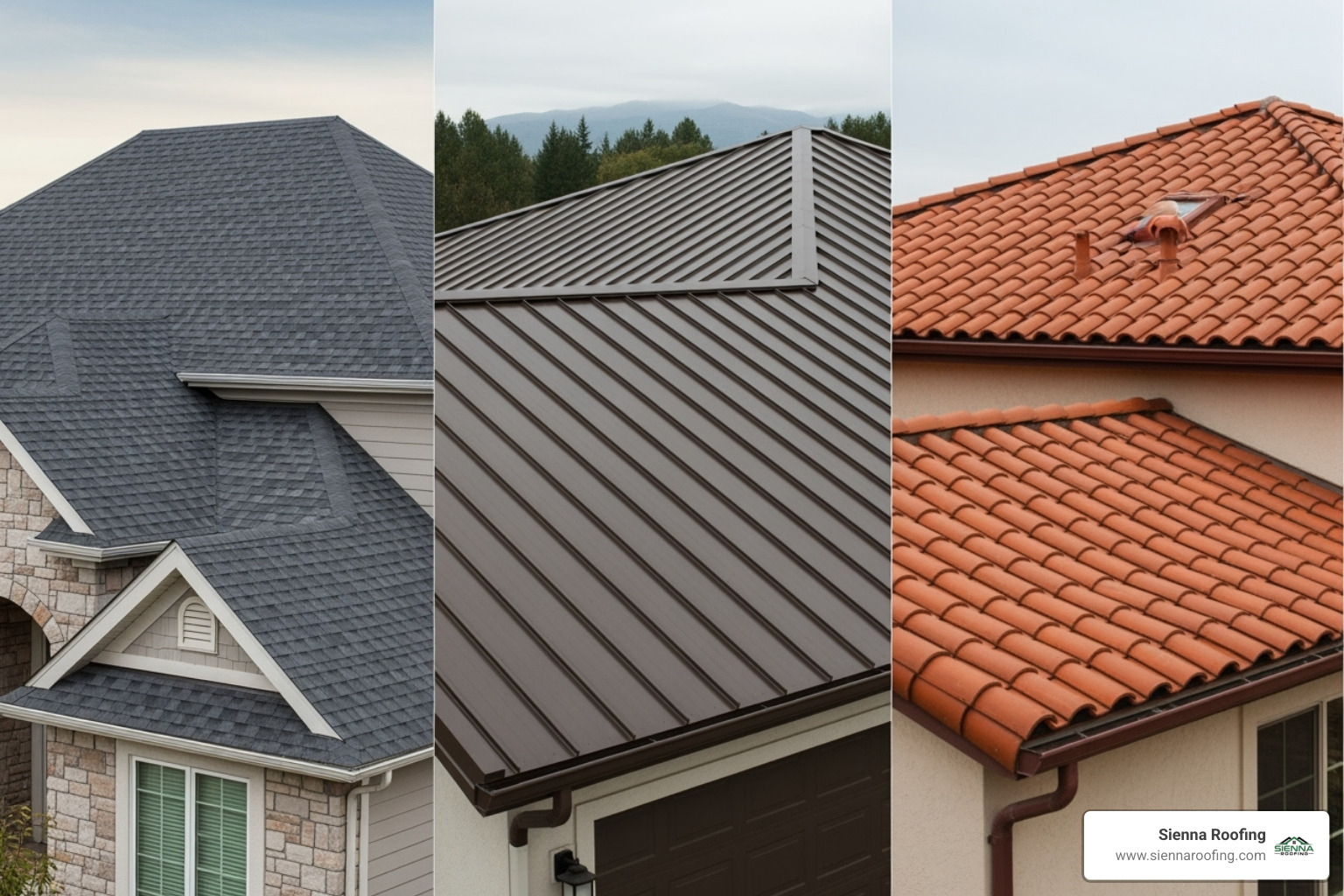
Asphalt shingles are the most common roofing material in the Houston area and across the United States, making them the most cost-effective to repair. Repairs typically run between $4.25 and $8.25 per square foot. This affordability is due to two factors: the low cost of the materials themselves and the large pool of roofers experienced in working with them. There are different grades of asphalt shingles, such as basic 3-tab shingles and more durable (and more expensive) architectural or dimensional shingles. While architectural shingles cost more to repair, their longer lifespan (25-30 years vs. 15-20 for 3-tab) often makes repairs a sound financial decision.
Metal and Tile Roof Repair Costs
Premium materials like metal and tile offer superior longevity and weather resistance but come with a correspondingly higher repair cost. Metal roofing repairs generally cost between $6 and $15 per square foot. The work is more specialized, requiring knowledge of how to properly replace a panel, seal seams, and replace fasteners without compromising the roof’s integrated system or scratching the protective finish. Tile roofing repairs are often the most expensive, ranging from $12 to $24.75 per square foot for clay or concrete tiles. The high cost is due to the material’s weight and fragility. Roofers must walk carefully to avoid breaking adjacent tiles, and sourcing an exact color and profile match for older, weathered tiles can be a significant challenge. A single broken tile replacement can cost $72 to $150 due to the labor-intensive nature of the work.
Flat Roof Repair Costs
Common on commercial buildings and increasingly popular on modern homes and additions, flat or low-slope roofs present unique repair challenges. Materials like EPDM (rubber), TPO, and PVC are installed in large sheets with heat-welded or glued seams. Repair costs for flat roofs generally range from $4 to $15 per square foot. The cost depends heavily on the material and the nature of the problem. A simple patch might be on the lower end, while repairing a long, failed seam or addressing underlying wet insulation will be on the higher end. The single biggest issue with flat roofs is ensuring proper drainage, as even minor depressions can lead to pooling water, which drastically accelerates material degradation and is often the root cause of leaks.
Slate and Wood Shake Repair Costs
Though less common, slate and wood shake roofs are found on historic and high-end custom homes. Repairing these materials is a specialized craft. Slate roof repairs are extremely expensive, as slate is a natural stone that can last for over a century but is brittle and difficult to work with. Sourcing matching slate and carefully removing and replacing a cracked piece without damaging others is a meticulous process. Wood shake or shingle repairs also require expertise to ensure the new shakes are properly integrated to shed water effectively. Costs for both are at the highest end of the spectrum, often exceeding tile repair costs, and require a contractor with specific, verifiable experience.
Repair or Replace? When a New Roof Is More Cost-Effective
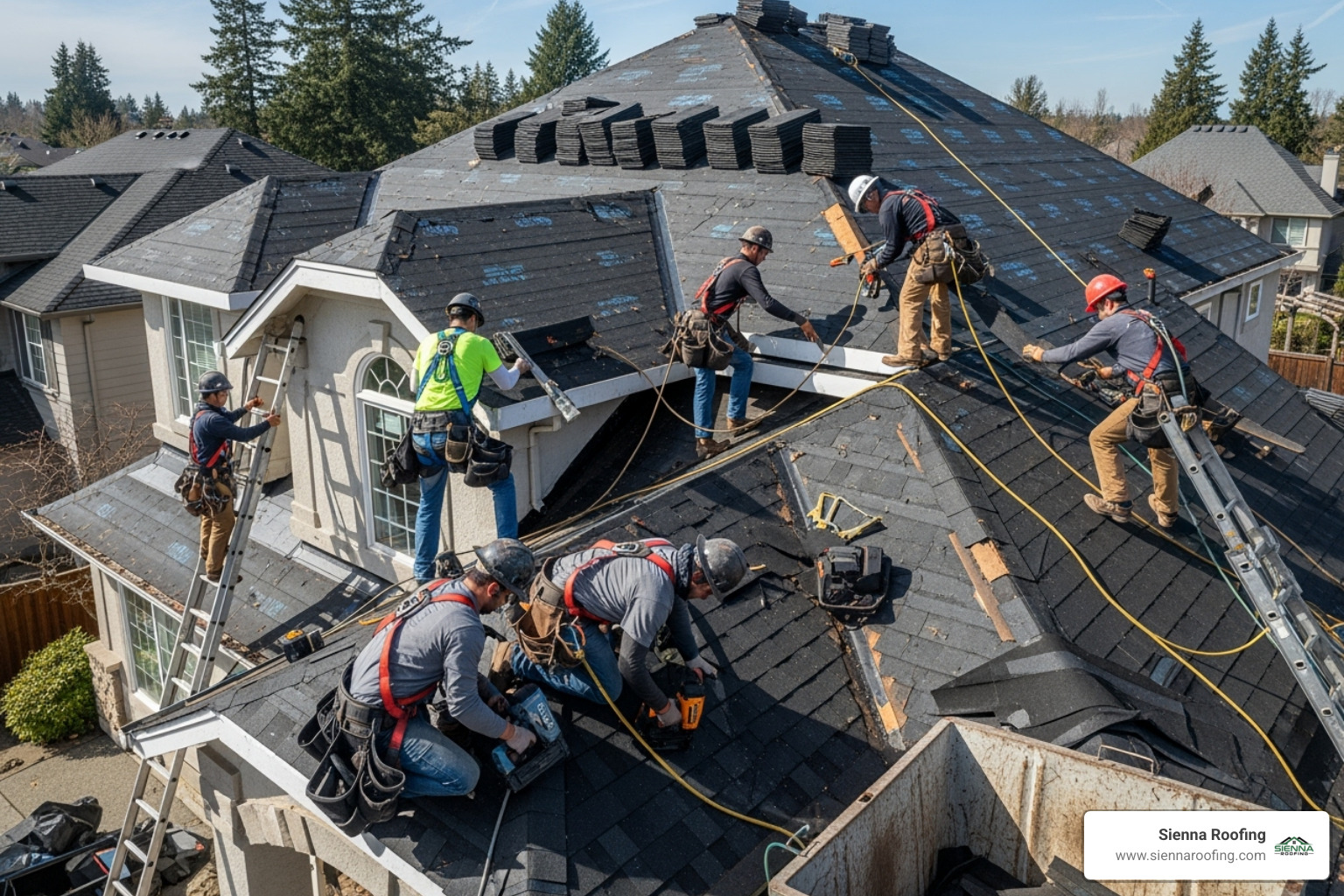
At some point, you may receive an estimate for roof repair that is so substantial it forces you to ask a critical question: should I repair this roof again, or is it time for a full replacement? While a new roof is a significant upfront expense, typically ranging from $7,000 to $20,000+ in the Houston area, there is a clear tipping point where continuing to patch an aging, failing roof is no longer a sound financial strategy.
The 30% Rule and Your Roof’s Age
A helpful guideline many roofing professionals use is the 30% rule: if the necessary repairs affect less than 30% of your total roof area, a repair is usually the most sensible option. However, if the damage is more widespread, or if you are facing multiple, costly repairs on different sections of the roof, replacement becomes the wiser long-term choice. Your roof’s age is the other critical factor. An asphalt shingle roof has a typical lifespan of 15-30 years. If your roof is more than 20 years old and requires a major repair, investing several thousand dollars into a system that is already near the end of its service life is often not a good return on investment. Continually paying for repairs on an old roof—a leak this year, a flashing issue the next—can quickly add up, a phenomenon known as “death by a thousand cuts.” A single replacement that comes with a multi-decade warranty can be a more efficient and stress-free investment.
Long-Term Value and Energy Savings
A new roof offers compelling benefits that go far beyond simply stopping leaks. Modern roofing materials, particularly those with high solar reflectivity, offer improved energy efficiency. According to the U.S. Department of Energy, a cool roof can stay over 50°F cooler in the summer sun, which can significantly reduce air conditioning demand and cut cooling costs by up to 15%—a substantial saving in the Texas heat. You can find qualifying products on the ENERGY STAR website. Furthermore, a new roof provides a significant boost to your property value and curb appeal. Homeowners can often recover 60-70% of the cost of a new roof at resale, according to industry reports like Remodeling Magazine’s Cost vs. Value analysis. You may also see a welcome reduction in your homeowner’s insurance premiums, as a new roof presents a much lower risk to the insurer. If you’re weighing these options, it’s helpful to understand the full scope of How Much Does a New Roof Cost? to make a truly informed decision.
Hiring a Contractor and Saving Money on Your Roof Repair
Choosing the right contractor is the most important decision you’ll make after finding you need a roof repair. A great contractor can save you money and prevent future headaches, while a poor one can lead to faulty work and recurring problems. This is especially true in the Houston area, where storm damage can attract out-of-town “storm chasers” who may perform substandard work and disappear.
Finding a Qualified Local Roofer in Sugar Land, TX
When vetting contractors for an estimate for roof repair, prioritize those with deep local experience. A roofer who is established in the Sugar Land and Houston area understands the specific challenges posed by our weather, from hurricane-force winds to blistering UV exposure, and knows which materials and installation techniques hold up best.
Here is a checklist for hiring a qualified roofer:
- Verify They Are Licensed and Insured: Ask for proof of general liability insurance and worker’s compensation insurance. Liability protects your property from damage, while worker’s comp protects you from being sued if a worker is injured on your property. A reputable contractor will provide certificates of insurance without hesitation.
- Check Customer Reviews and References: Look at reviews on multiple platforms (Google, Yelp, BBB). Don’t just look at the star rating; read the reviews to find patterns of quality workmanship, clear communication, and good customer service. Ask for references from recent, local jobs.
- Insist on a Detailed Written Estimate: A legitimate estimate is not a number on a business card. It should be a detailed document outlining the specific scope of work, the exact materials to be used (including brand and color), a breakdown of labor and material costs, the projected timeline, payment terms, and warranty information.
- Ask About Warranties: Understand the warranties offered. There are two types: the manufacturer’s warranty on the materials themselves, and the contractor’s workmanship warranty, which covers the installation. A confident contractor will offer a strong workmanship warranty.
- Confirm Professional Affiliations: Membership in organizations like the National Roofing Contractors Association (NRCA) indicates a commitment to professionalism and staying current with industry best practices.
Your Local Roofing Experts
At Sienna Roofing, we’ve built our reputation on transparent estimates, meticulous workmanship, and unwavering customer service throughout the Houston Metro area. We are a part of this community and understand that getting an estimate for roof repair shouldn’t add more stress to an already difficult situation.
Sienna Roofing
Address: 17034 University Blvd, Sugar Land, TX 77479
Phone: (832) 564-3322
Tips for Saving Money and Government Incentives
Proactive roof maintenance is the single most effective way to prevent large, expensive repairs. An annual professional inspection, which typically costs between $100 and $600, can identify small issues like cracked pipe boots or loose shingles before they allow water intrusion. If a repair isn’t an emergency, consider scheduling it during a contractor’s slower season (often mid-winter or mid-summer), as you may find more flexible pricing. However, never delay a repair that involves an active leak, as the cost of interior water damage will quickly dwarf any potential savings. Insurance coverage is your best ally for storm-related damage. Be sure to document all damage with photos and videos, save any receipts for temporary repairs like tarping, and contact your insurance provider promptly to start the claims process. Lastly, always check for federal tax credits on energy-efficient roofing materials. The Inflation Reduction Act of 2022, for example, offers credits for certain home improvements, including qualifying roofing materials that can help offset costs.
Frequently Asked Questions About Roof Repair Estimates
Getting an estimate for roof repair is an unfamiliar process for many homeowners, and it naturally brings up a lot of questions. Here are detailed answers to the concerns we hear most frequently from homeowners in the Sugar Land and greater Houston area.
What is the average cost of a minor roof repair in the Houston area?
Most minor roof repairs in our area, such as fixing a few blown-off shingles or sealing a leaky vent, typically fall between $150 and $600. The final price within this range depends heavily on the roof’s material (asphalt is cheapest), its steepness, and accessibility. For example, replacing five shingles on a low-slope, single-story roof might be on the lower end of that range. However, if the same repair is on a steep, two-story roof requiring extensive safety gear, the cost will be higher due to increased labor time. The key takeaway is that catching and fixing problems while they are still minor is the best way to keep costs low.
Can I claim roof repairs on my homeowner’s insurance?
This depends entirely on the cause of the damage. Most standard homeowner’s insurance policies cover damage from sudden, accidental events or “covered perils,” which include things like wind, hail, fire, or a fallen tree. However, insurance policies explicitly exclude damage resulting from general wear and tear, deferred maintenance, or old age. If your 25-year-old roof is leaking simply because it’s worn out, your claim will likely be denied. For a successful claim, documentation is critical. Take clear photos and videos of the damage, keep a log of when you noticed it, and contact your insurance agent immediately. A professional roofer can provide a detailed report and estimate that will be essential for your claim.
What are the most common signs that my roof needs repair?
Your roof will almost always give you warning signs before a catastrophic failure. Be vigilant for these indicators:
- Interior Signs: The most obvious sign is a water stain on your ceiling or walls. It might look like a small, brownish circle, but it indicates a failure somewhere in the roofing system. Also, be aware of peeling paint near the ceiling or mold/mildew growth.
- Exterior Signs (from the ground): Look for missing, cracked, or curling shingles. Check for dark streaks or algae growth, which can indicate moisture issues. Pay close attention to the areas around vents, skylights, and chimneys.
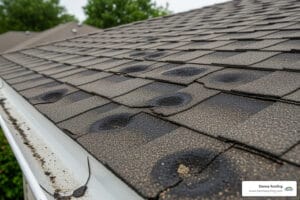
- Gutter Debris: If you have an asphalt shingle roof, check your gutters for an excessive accumulation of shingle granules. These look like coarse black sand and are a sign that your shingles are aging and losing their protective layer.
- A Sagging Roofline: This is the most serious sign. If you look at your roof and see a dip, sway, or curve, it indicates a potential structural failure of the decking or rafters. This requires immediate professional inspection.
What happens if the roofer finds more damage after starting the work?
This is a common and valid concern. A professional roofer performs a thorough inspection, but some damage, like rotted decking, can be hidden under the shingles. A reputable contractor will handle this by stopping work, documenting the new issue with photos, and explaining the situation to you. They will then create a change order, which is a written document detailing the additional work required and the associated costs. You must approve and sign this change order before the new work proceeds. This process ensures transparency and prevents surprise charges on your final bill.
How long does a typical roof repair take?
The timeline for a roof repair can vary significantly. A minor repair, like replacing a few shingles, might take only 1-2 hours. A moderate repair, such as fixing a chimney flashing, could take half a day to a full day. Major structural repairs involving rafters or decking could take several days to complete. Your contractor should provide a clear, estimated timeline in their written proposal.
Get an Accurate Roof Repair Estimate Today
Your roof is your home’s single most important defense against Houston’s demanding weather, from scorching sun to torrential rain and hurricane-force winds. Understanding the key factors that go into an estimate for roof repair—from the extent of the damage and your specific roof material to local labor costs and the urgency of the job—empowers you to make a confident, informed decision. As we’ve detailed, a minor fix can be as affordable as $150, but delaying that same repair can allow water to seep into your home’s structure, potentially leading to major structural work costing $3,500 or much more.
That small, seemingly insignificant water stain on your ceiling is a critical warning sign. What might be a simple $300 flashing repair today can quickly escalate into a $3,000 problem involving rotted decking, ruined insulation, and damaged drywall if it’s ignored. At Sienna Roofing, our entire approach is built on providing a detailed, honest, and educational assessment of your roof’s condition. We want you to understand the ‘what’ and the ‘why’ behind our recommendations so you can choose the best path forward for your home and your budget. We stand by our work and our word with a 100% satisfaction guarantee because your peace of mind is, and always will be, our top priority.
Getting a transparent, pressure-free estimate for roof repair is the first step to securing your home. Don’t wait for a small problem to become a crisis. Ready to protect your most valuable asset? Contact our local, experienced team today for your free, no-obligation roof repair estimate and let’s get your roof back into peak condition.