Glass Unit Replacement: 3 Easy Steps to Save
Why Glass Unit Replacement Saves You Money
Glass unit replacement is the process of swapping out the sealed insulated glass unit (IGU) in your window frame while keeping the existing frame intact. This targeted repair solves common problems like foggy windows and poor energy efficiency at a fraction of the cost of full window replacement. Many homeowners trust expert home exterior solutions to maintain their property’s value, and understanding key repairs like this is a great first step.
Quick Answer: Glass Unit Replacement Process
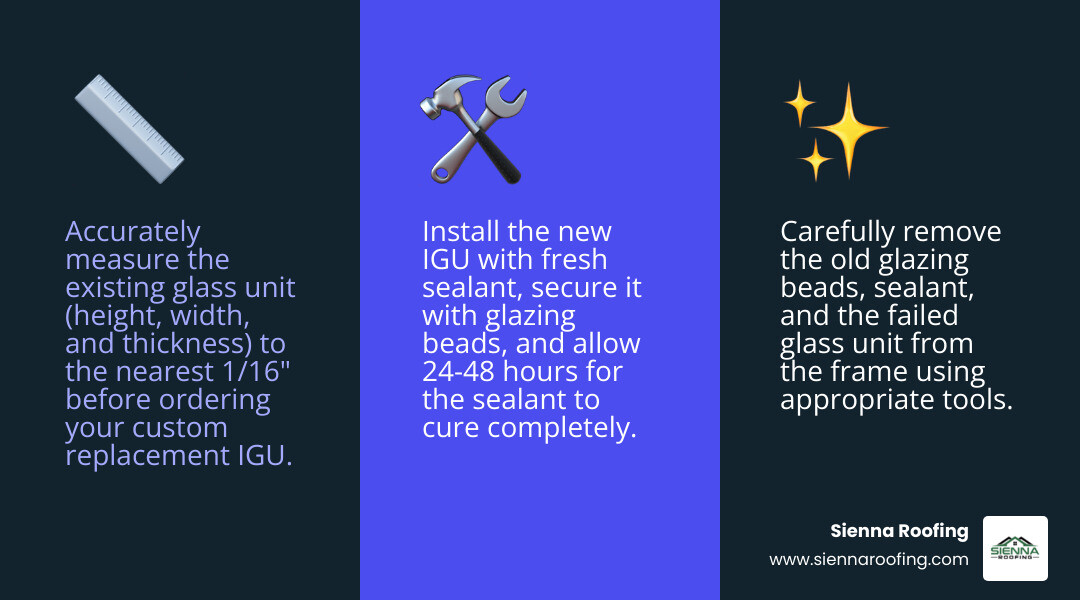
- Measure your existing glass unit accurately (height, width, and thickness to the nearest 1/16″)
- Order a custom replacement IGU with your preferred glass type and coatings
- Remove the old glazing beads, sealant, and failed glass unit from the frame
- Clean the window frame thoroughly and prepare for installation
- Install the new IGU with fresh sealant and secure with glazing beads
- Wait for sealant to cure before painting or finishing (typically 24-48 hours)
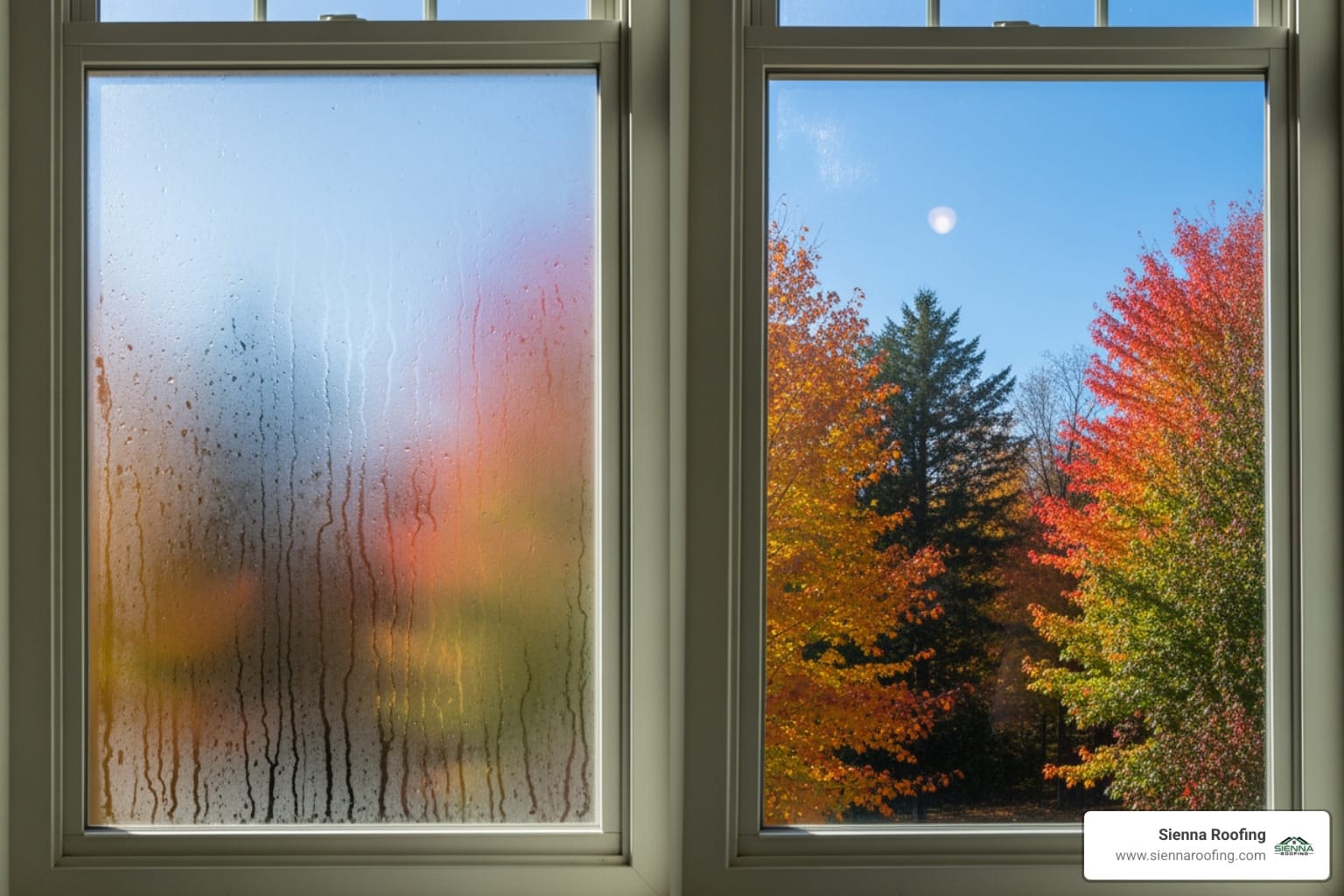
A foggy view through your window is a clear sign your home is leaking energy. When an insulated glass unit’s seal fails, it loses its insulating properties, driving up energy bills. For most homeowners in Sugar Land and the Houston Metro area, a glass unit replacement offers the same energy-saving benefits at roughly half the cost of a full window replacement. This guide covers everything from identifying a failed seal to understanding your options. Finding reliable local services, like those in Sugar Land, TX, is key to any home improvement project.
I’m Andre Castro, CEO and founder of Sienna Roofing & Solar. Over my years in the construction industry, I’ve helped countless Sugar Land homeowners save thousands with targeted repairs like glass unit replacement instead of unnecessary full replacements. My experience has taught me that understanding the problem is the first step to finding the smartest solution.
Decoding Your Windows: What is an Insulated Glass Unit (IGU)?
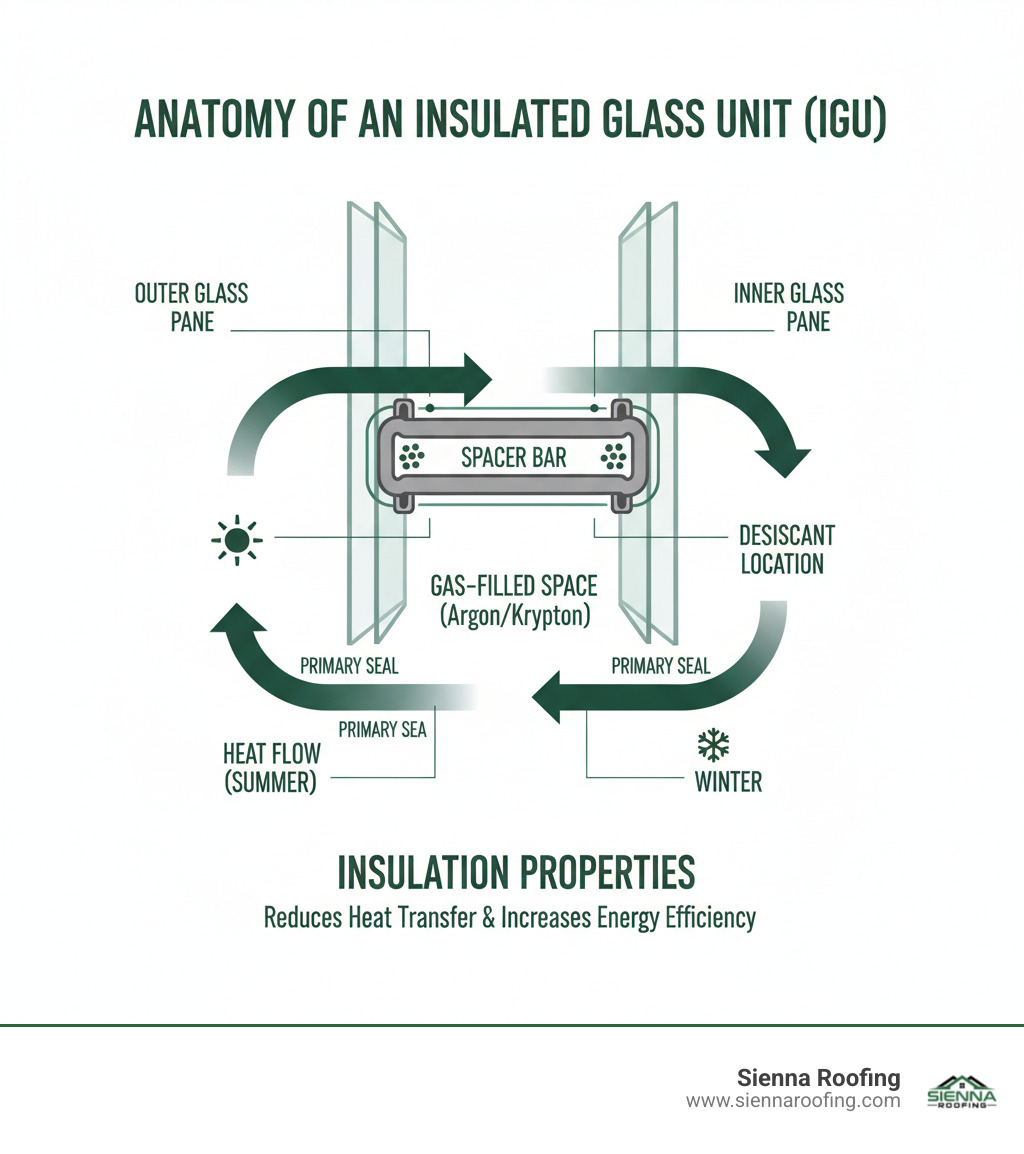
An Insulated Glass Unit (IGU), also known as a thermopane or double-pane window, is a system of two or more glass panes separated by a sealed space. This design is engineered to reduce heat transfer, keeping your home warmer in winter and cooler during hot Texas summers. This makes IGUs the standard for energy-efficient homes.
The Science Behind the Seal
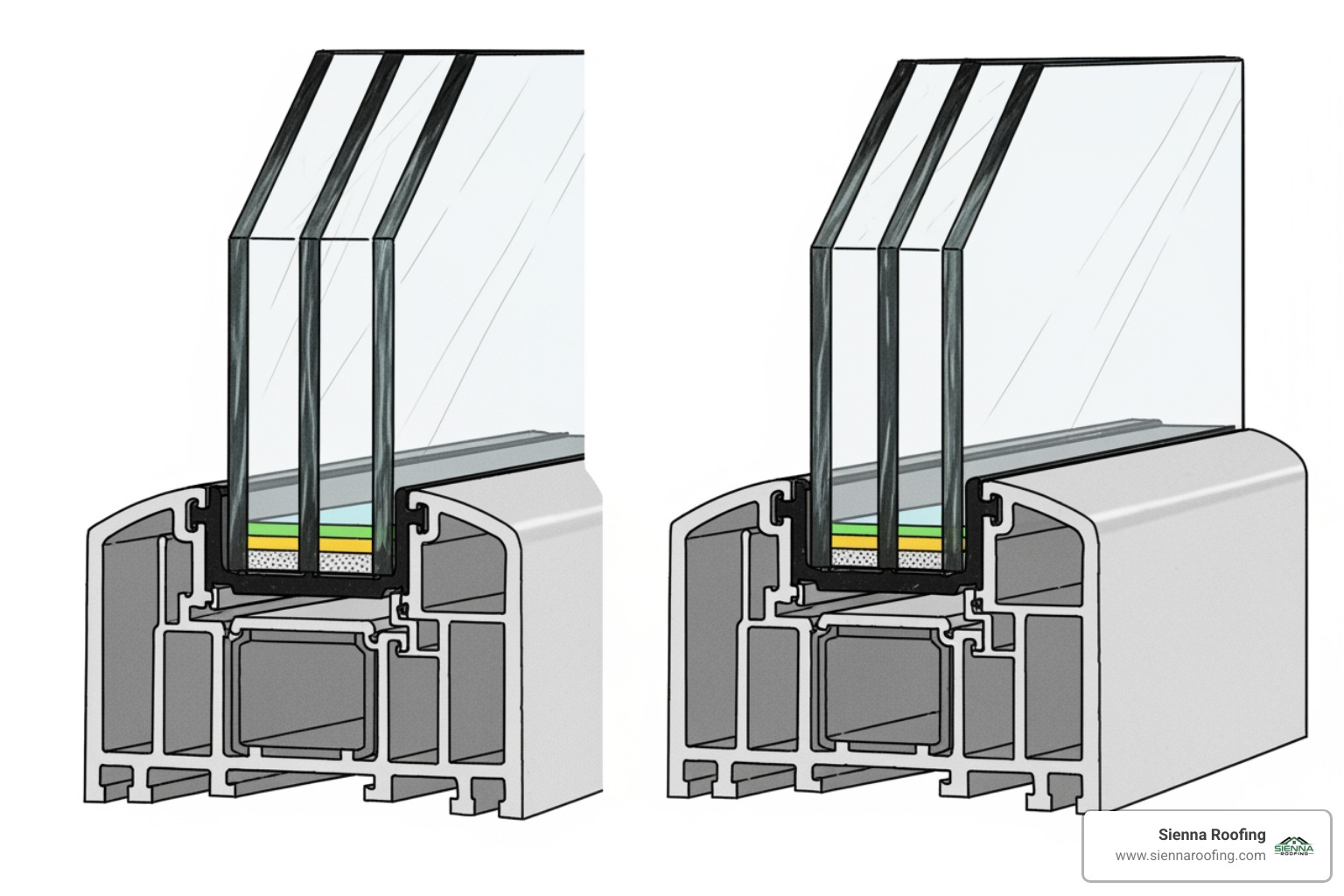
An IGU works by creating an insulating barrier. The space between the glass panes is filled with air or an inert gas like Argon or Krypton. This gas is a poor conductor of heat, which dramatically slows heat transfer into or out of your home. This is the key to year-round energy savings.
- Double-pane windows are a significant upgrade over old single-pane windows. Triple-pane windows add a third pane and another insulating layer for superior thermal performance.
- This performance is measured by R-value, which indicates resistance to heat flow. A higher R-value means better insulation. The thermal conductivity of insulated glass is 27 times better than standard glass.
- Beyond energy savings, IGUs provide excellent noise reduction, cutting outside noise by 27 to 50 decibels. Some units also offer UV protection to prevent furniture and flooring from fading.
Key Components of an IGU
Understanding the parts of an IGU helps you appreciate its function:
-
Glass Types:
- Annealed Glass: Standard glass that shatters into large, sharp pieces. Often used where safety is not a primary concern.
- Tempered Glass: Safety glass that is heat-treated for strength. It crumbles into small, pebble-like pieces if broken, reducing injury risk. It is often required by building codes for doors and windows near floors.
- Low-E Coatings: A microscopic, transparent layer that reflects radiant heat. Low-Emissivity (Low-E) coatings keep homes warmer in winter by reflecting heat back inside and cooler in summer by reflecting solar heat away. For optimal climate control in Texas, Low-E coated, gas-filled triple-pane windows are an excellent choice.
-
Gas Fills:
- Argon: An invisible, odorless gas denser than air that improves insulation by slowing heat convection within the IGU.
- Krypton: Denser than Argon, Krypton gas offers even higher thermal performance and is ideal for triple-pane windows or maximum energy efficiency.
-
Spacers: These frames separate the glass panes and create the sealed space. For superior performance, warm-edge spacers are made from less conductive materials to reduce heat loss at the edge of the glass and prevent condensation.
-
Sealants: These bond the glass and spacer, creating a durable, airtight (hermetic) seal. This seal prevents moisture from entering and insulating gas from escaping. A failed seal is what causes the foggy appearance. A desiccant material inside the spacer absorbs any residual moisture to keep the window clear.
Telltale Signs: When to Consider a Glass Unit Replacement
An Insulated Glass Unit (IGU) is built to last, with many units serving homeowners for 20 to 25 years or more. However, like all good things, their seals can eventually weaken or fail, sometimes prematurely. Common culprits include freeze-and-thaw cycles, constant direct sunlight, and extreme temperature fluctuations common in the Houston Metro area. Knowing the warning signs of a compromised IGU is crucial. A failed unit isn’t just an eyesore; it loses nearly all its insulating properties, performing no better than a single pane of glass and costing you money in energy bills.
The Fog of a Failed Seal
The most unmistakable sign that your IGU needs attention is when you see condensation, fog, or a milky residue trapped between the glass panes. This isn’t just external moisture; it’s a clear indicator that the hermetic seal around your IGU has failed. When the seal breaks, moist air from outside seeps into the space between the panes, condensing on the cooler glass surfaces.
Answer: How a broken seal affects window performance: A broken seal immediately compromises the IGU’s insulating barrier. The inert gas (if present) can leak out, and moist air replaces it, leading to a significant increase in heat transfer. This means your HVAC system has to work harder to maintain your desired indoor temperature, leading to higher energy bills. Furthermore, the persistent fogging obscures your view and can detract from your home’s curb appeal. The moisture can also lead to the growth of mold or mildew within the unit, and the minerals in the condensed water can leave a permanent milky or etched appearance on the glass, making your views forever distorted.
Physical Damage and Age
While seal failure is common, sometimes the need for a glass unit replacement is more obvious. A cracked or shattered pane, whether from an errant baseball, a severe storm, or just an unfortunate accident, necessitates immediate replacement for safety and security.
Visible damage to the seal itself, such as cracks in the sealant or a visibly warped spacer bar, also points to a compromised unit. Even without obvious damage, the sheer age of your windows can be a reason for replacement. Older windows, especially those approaching or exceeding their typical lifespan, may no longer be as efficient as modern units and are more susceptible to seal failure and other forms of damage. If your windows are aging, upgrading the glass units can significantly improve your home’s energy performance and comfort.
The Big Decision: Glass-Only Swap vs. Full Window Replacement
When an insulated glass unit fails, you must decide: replace only the glass, or the entire window? For most homeowners in Sugar Land, Missouri City, and Richmond, TX, a glass unit replacement is the smarter financial choice, delivering the same energy benefits without the high cost and labor of a full replacement.
Cost and Benefit Analysis
Answer: Replacing just the glass is more cost-effective than replacing the entire window if the frame is in good condition. This targeted approach can save you roughly 50% compared to a full window replacement. The installation is also faster and less invasive, preserving your home’s existing trim and aesthetics.
-
When to replace just the glass: A glass-only swap is ideal if your window frames are structurally sound (no rot, warping, or major damage) and operate smoothly. If you are happy with the look of your windows, there is no need to replace a perfectly good frame just because the IGU has failed.
-
When you need a full replacement: A complete overhaul is necessary if the frame itself is compromised. Signs include rotting wood, warped vinyl, or severe cracks. A damaged frame cannot support a new glass unit or maintain a weather-tight seal, making full replacement the only viable long-term solution.
Factors That Influence Replacement Cost
Several variables affect the cost of a glass unit replacement. Understanding these helps you budget accurately.
- Size: Larger glass units require more material and are more challenging to handle, increasing the cost.
- Glass Type: Standard annealed glass is the most affordable. Upgrades like Low-E coated glass increase the initial cost but provide significant long-term energy savings, which is especially valuable in the Texas climate. Tempered glass, required for safety in certain locations, is stronger and more expensive than standard glass.
- Labor: A DIY installation has no labor cost but requires precision and safety. Professional installation ensures a proper fit and typically includes warranties on materials and workmanship, providing peace of mind.
- Complexity: Unusually shaped windows (arches, circles), multiple panes in a single frame, or difficult-to-access windows (e.g., second-story) will increase labor and fabrication costs.
The DIY Guide to Glass Unit Replacement
For the handy homeowner, a DIY glass unit replacement is an achievable project that can save money. With the right tools, a careful approach, and precise measurements, you can restore your window’s clarity and efficiency. However, precision is critical, and safety is paramount. If you are dealing with a large window, difficult access, or feel uncertain, calling a professional is the smartest decision.
Step 1: Accurately Measuring for Your New Glass Unit
Accurate measurement is the most critical step for a successful glass unit replacement. An incorrect measurement means your custom-ordered unit will not fit. You will need a metal measuring tape, a pencil, and a notepad.
- Height and Width: The best method is to remove the old glass and measure the frame opening directly. Measure height and width in three places (left/right/center and top/middle/bottom). Use the smallest measurement for each, then subtract 1/8 inch to allow for expansion. Alternatively, measure the visible glass (daylight opening) and add the depth of the glazing bead (typically 3/4 to 7/8 inch, but you must verify on your window).
- Overall Thickness: You need the total thickness of the existing IGU, from the outer surface of one pane to the outer surface of the other. Common thicknesses are 1/2″, 5/8″, 3/4″, 7/8″, or 1″. Your replacement must match this exactly. Measure to the nearest 1/16 inch and double-check all measurements.
Step 2: Removing the Old, Failed Glass Unit
Always wear heavy-duty leather gloves and safety glasses. Use a drop cloth to catch debris.
- Remove Glazing Beads: These are the strips holding the glass. Carefully pry out snap-in beads with a putty knife. Keep them organized for re-installation.
- Cut Old Sealant: Use a utility knife to cut the caulk around the glass. A heat gun can help soften stubborn, old sealant.
- Extract the IGU: Once loose, carefully remove the old unit. IGUs are heavy, so a helper is recommended for safety. Place the old unit on the drop cloth for disposal.
Step 3: Installing the New Glass Unit
With the old unit out, you can install your new glass unit replacement.
- Clean the Frame: Remove all old caulk, dirt, and debris from the frame. A clean surface is essential for a proper new seal.
- Apply Sealant: Apply a continuous bead of high-quality, exterior-grade sealant to the frame where the IGU will sit.
- Place Setting Blocks: Place small rubber or plastic setting blocks at the bottom of the frame. These support the IGU’s weight and allow for drainage, preventing premature seal failure.
- Install the New IGU: Carefully lift the new glass unit into the frame, centering it on the setting blocks. If your unit has a Low-E coating, the coated surface typically faces outward.
- Secure the IGU: Re-install the original glazing beads or use new glazing points (small metal clips) to hold the glass in place.
- Final Seal: Apply a final bead of sealant around the exterior perimeter, covering the beads or points. Smooth it for a clean finish. Allow the sealant to cure for 24-48 hours before painting or washing.
For additional technical guidance, the Department of Energy provides a comprehensive Job Aid 22-1: Window Glass Replacement resource.
Frequently Asked Questions about Glass Unit Replacement
It’s completely normal to have questions when you’re thinking about a glass unit replacement. We’ve helped many homeowners in the Sugar Land area and beyond steer this process, so we’ve heard it all! Here are answers to some of the most common questions we get, designed to clear up any confusion and help you feel confident in your decisions.
What is the typical production time for a custom IGU?
If you’re wondering how long you’ll wait for your new glass, here’s the scoop: production time for a custom-sized insulated glass unit typically ranges from 2 to 10 business days. This timeframe can vary a bit. Think of it like baking a cake – some orders are simple vanilla, others are multi-layered with intricate designs! Factors like the manufacturer’s current workload, how complex your order is (do you need special coatings, gas fills, or unique shapes?), and material availability can all play a role. Once your custom IGU is ready, you’ll need to factor in shipping time, which usually adds another 1 to 5 business days, depending on where you are in the Houston Metro area. The best advice? Always confirm the current lead times directly with your supplier when you place your order.
What kind of warranty comes with a new insulated glass unit?
Peace of mind is priceless, especially when investing in your home. So, what kind of protection can you expect? Most new insulated glass units come with a 10-year limited warranty against seal failure. This is a big one! It specifically covers those frustrating issues like fogging or condensation that appear between the glass panes – the tell-tale signs that your seal has given up the ghost. It’s important to know that this warranty usually does not cover glass breakage caused by impact (like a stray baseball) or issues arising from improper installation. To be fully informed, always take a moment to review the specific warranty terms provided by your manufacturer or the professional who installs your glass unit replacement.
Can I upgrade to a better type of glass during a replacement?
Absolutely! This is one of the best parts about choosing a glass unit replacement over a full window overhaul. It’s a fantastic opportunity to give your home a boost in energy efficiency and comfort without breaking the bank. You can totally upgrade your glass during this process!
Think of it as choosing your window’s superpowers. You can opt for Low-E coatings, which are like an invisible shield that reflects radiant heat, keeping your home cooler in the scorching Texas summer and warmer when a rare chill hits. Or, you could choose to fill the space between the panes with Argon or Krypton gas. These inert gases are denser than air and provide superior insulation, making your window even more energy-efficient. For areas where safety is a concern, like near doors or in bathrooms, you can upgrade to tempered glass, which is much stronger and shatters into small, safer pieces if broken. You can even consider tinted glass for added privacy or to reduce glare and heat gain. By thoughtfully selecting these upgrades, you’re not just replacing glass; you’re significantly enhancing your home’s thermal performance, which can lead to lower energy bills and a much more comfortable living space all year round.
Conclusion: A Clearer, More Efficient Future for Your Home
Well, there you have it! You’ve learned that a glass unit replacement isn’t just a quick fix; it’s a really smart move for your home. This targeted repair brings so many good things: your view becomes crystal clear again, your energy bills shrink, and your home’s value gets a nice boost. The best part? You get all these benefits without the big cost and mess of replacing your entire window. It’s an investment that truly pays off, especially with our hot Texas summers and occasional chilly winters.
But wait, there’s more to keeping your home bright and efficient than just standard windows! The same ideas of good seals and energy savings apply to other glass features, like the beautiful skylights that bring sunshine into your rooms. Just like your windows, a failing skylight seal can cause problems. For expert advice on keeping all these important parts of your home in top shape, especially here in Sugar Land, Missouri City, Richmond, and the whole Houston area, you can always trust the pros at Sienna Roofing. We’re here to help you make the best choices for a cozy, energy-saving home. Want to know more about keeping your home bright and efficient? Check out our skylight replacement guide near me for more information.