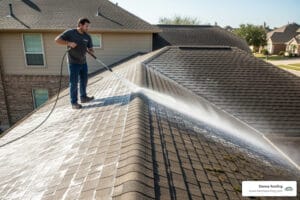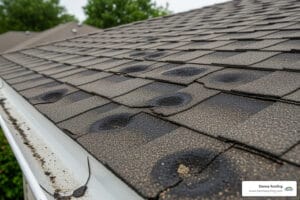
Why Houston Homeowners Need Professional Roof Inspections
Roof inspection Houston services are not a luxury; they are an absolute necessity for protecting your home from the city’s uniquely challenging climate. In a region battered by everything from blistering heat and tropical storm deluges to hurricane-force winds, your roof is the single most important barrier defending your property. Whether you require a post-storm damage assessment, a routine annual maintenance check, or a critical pre-purchase evaluation, a professional inspection can be the difference between a minor repair and a catastrophic failure, potentially saving you tens of thousands of dollars. For comprehensive, expert solutions from a trusted Houston roofing company, our team at Sienna Roofing has the localized expertise and advanced technology to safeguard your most valuable investment.
Key Houston Roof Inspection Services We Provide:
- Free, no-obligation inspections for homeowners concerned about potential repair needs.
- Detailed real estate transaction inspections, typically costing between $150 and $400, providing crucial information for buyers and sellers.
- Proactive annual inspections, strongly recommended to combat the cumulative effects of Houston’s heat and humidity.
- Emergency post-storm assessments to quickly identify and document damage after hurricanes, hail, or severe wind events.
- Comprehensive digital reports, complete with high-resolution photographs, detailed findings, and transparent repair estimates.
Your roof is engaged in a constant battle against Houston’s subtropical climate. Summer temperatures can cause the surface of your roof to soar to 160°F, accelerating the aging process of asphalt shingles. This is compounded by the constant threat of torrential rains and the destructive power of hurricane season. These relentless conditions can drastically shorten a typical 20-year roof’s lifespan, often without any obvious signs of trouble until it’s too late. Events like Hurricane Harvey demonstrated the devastating impact of prolonged rainfall on roofing systems across the metro area. Regular professional inspections are designed to uncover this hidden damage—subtle granule loss, compromised seals, and developing leaks—before they escalate into major structural failures. Proactive maintenance, guided by expert analysis, is the key to maximizing your roof’s longevity and ensuring your family’s safety.
Houston’s Climate vs. Your Roof: Common Issues to Watch For
Houston’s subtropical climate—a potent combination of intense, year-round humidity, punishing UV radiation, and the seasonal threat of tropical storms—creates a uniquely hostile environment for roofing materials. This climate significantly shortens a roof’s expected 20-year lifespan by accelerating wear and tear in ways homeowners in other regions don’t experience. Proactive maintenance is therefore not just advisable; it’s essential for financial prudence and structural integrity. Many homeowners are shocked by the extent of damage an inspector can uncover, as insidious problems like the premature aging of underlayment and the proliferation of mold in the attic often develop completely out of sight. Timely, professional inspections are the only way to reliably identify this climate-specific damage early, preventing minor issues from metastasizing into major structural failures that compromise your entire home.
Telltale Signs of Roof Damage Houston Homeowners Can’t Ignore
Your roof often sends subtle distress signals long before a catastrophic leak makes its presence known. Learning to spot these early warnings can save you a significant amount of money, time, and stress. Here is a more detailed look at the specific signs of roof damage Houston homeowners must watch for:
- Missing or Curling Shingles: High winds from thunderstorms or tropical systems can easily tear shingles from the roof, leaving the underlayment exposed. More subtly, the intense Houston sun causes ‘thermal shock’—rapid expansion and contraction—which makes asphalt shingles curl at the edges or crack. These compromised shingles can no longer shed water effectively, creating pathways for moisture intrusion.
- Excessive Granules in Gutters: The sandpaper-like granules on asphalt shingles are their primary defense against UV radiation. When you see a large accumulation of these granules in your gutters and downspouts, it’s a clear sign that the shingles are nearing the end of their functional life. Without this protective layer, the sun will bake the underlying asphalt, making it brittle and prone to cracking.
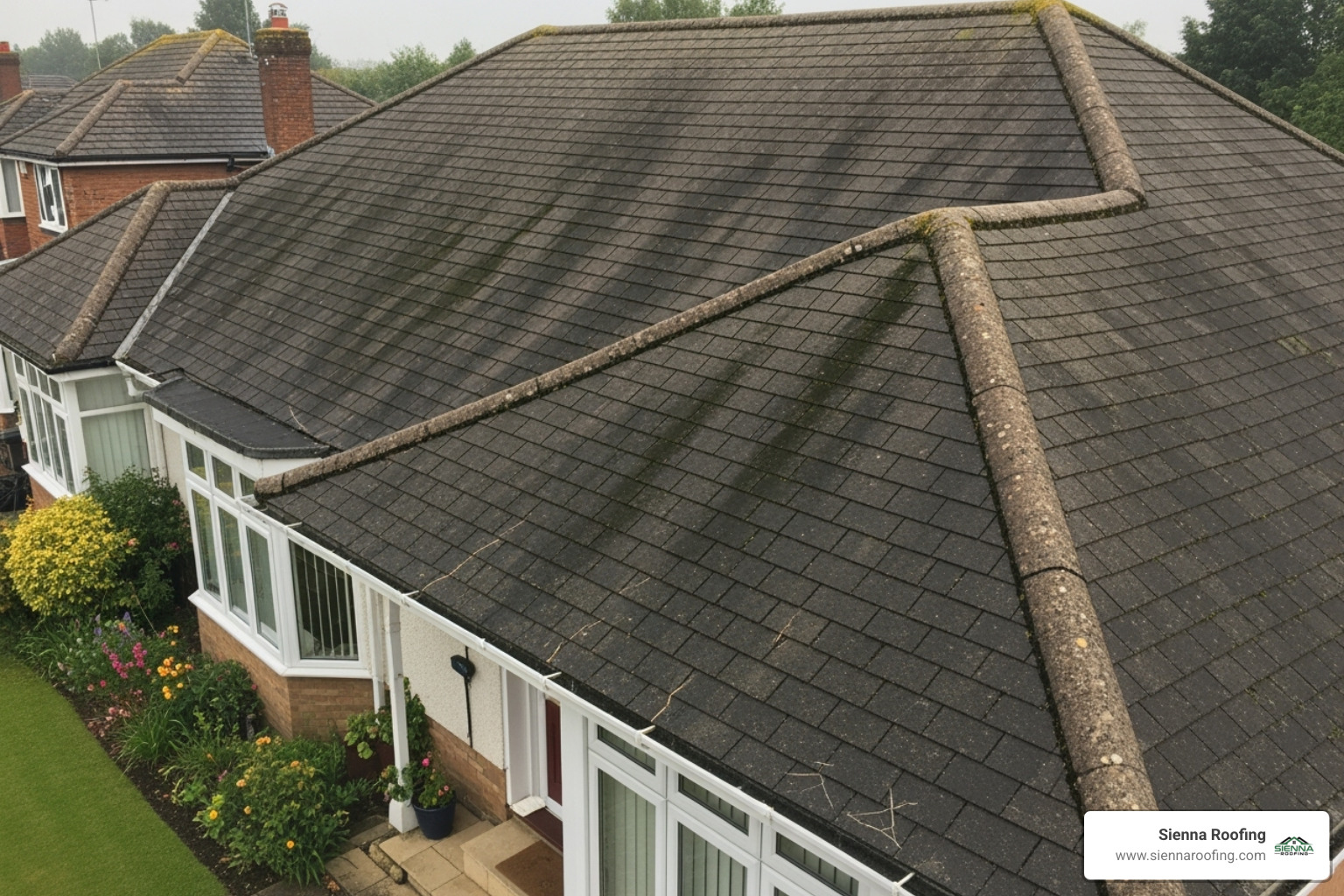
- Dark Streaks from Algae (Gloeocapsa Magma): Houston’s pervasive humidity is the perfect breeding ground for a type of blue-green algae called Gloeocapsa magma. While the resulting dark streaks are often dismissed as a cosmetic issue, they indicate that moisture is lingering on your roof’s surface. This moisture can slowly break down the limestone filler in shingles and, more critically, trap moisture that can lead to rot and decay.
- Interior Water Stains or Bubbling Paint: This is the most alarming sign for any homeowner. Discoloration, sagging drywall, or bubbling paint on ceilings and walls are definitive proof of an active leak. The moment you see this, the damage has already occurred. The goal of an inspection is to find the source of the leak before it ever reaches this stage, as interior repairs add significant cost and complexity to the project.
- Sagging Roof Deck: A visibly dipping, sagging, or wavy roofline is a red alert for severe structural problems. It often indicates that the underlying roof decking (the plywood or OSB sheathing) has become saturated with water over a long period and is now rotting and losing its structural integrity. This is a serious safety hazard that requires immediate professional intervention.
- Damaged or Rusted Flashing: Flashing consists of metal strips installed around chimneys, skylights, vents, and in roof valleys. It is designed to seal these vulnerable penetration points. If the flashing is bent, rusted, cracked, or has pulled away from the structure, it creates a direct and easy entry point for rainwater, making it one of the most common sources of leaks.
- Visible Holes or Punctures: Obvious physical damage from falling tree limbs during a storm or from severe hail creates direct paths for water intrusion. Even small punctures can allow a surprising amount of water to enter your attic, soaking insulation and leading to mold growth and wood rot over time.
- Debris and Organic Growth on Rooftops: In flood-prone areas like Meyerland, where FEMA notes nearly 94% of properties are at significant risk of flooding, post-storm debris is a major concern. Leaves, pine needles, and other organic matter can accumulate on the roof and in valleys, acting like a sponge. This trapped moisture accelerates shingle deterioration and promotes the growth of moss and mold, which can lift shingles and cause rot.
If you spot any of these signs, particularly after a major weather event, it is critical to schedule a professional assessment immediately. For more information on preparing for severe weather, resources from government agencies like FEMA provide excellent guidance.
What to Expect from a Professional Roof Inspection in Houston
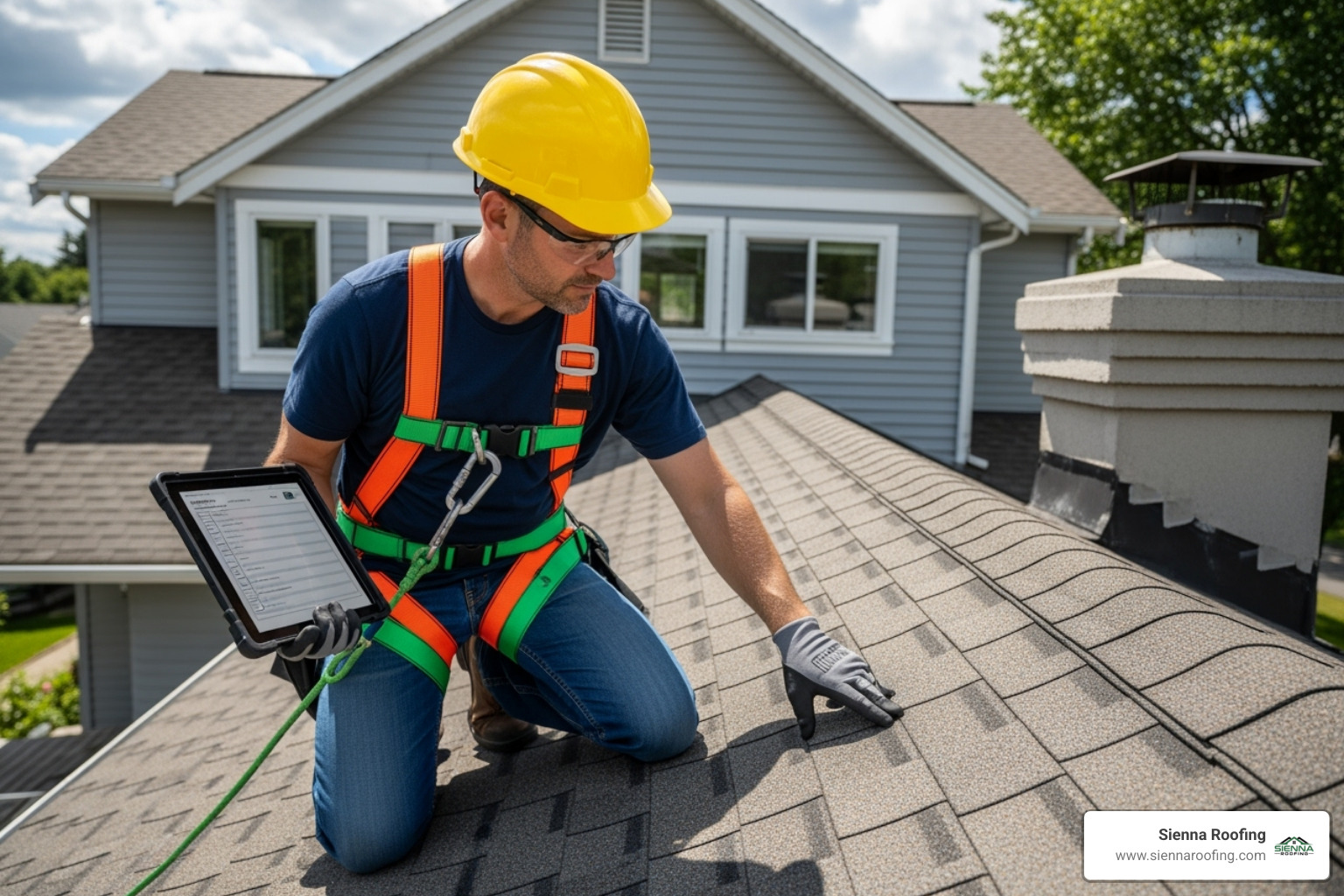
When you schedule a professional roof inspection Houston service with a reputable company like Sienna Roofing, you are investing in a comprehensive health checkup for your home’s primary defense system. This is far more than a quick glance from the ground. Our certified technicians perform a systematic, multi-point assessment of your entire roofing system, from the ridgeline to the foundation. We leverage advanced tools, including high-resolution drone cameras and thermal moisture detection devices, to identify subtle and hidden problems that are completely invisible to the naked eye.
The Inspection Process: A Detailed Breakdown
A thorough inspection is a meticulous process that covers every aspect of your roof and its related systems. Here’s what our process entails:
- The Exterior Assessment: A Top-Down Review
Our inspection begins with a detailed evaluation of the roof’s exterior surface. We walk every accessible section of the roof (when safe to do so) to manually and visually inspect for issues. This includes checking for cracked, curling, or missing shingles; identifying hail or wind damage; looking for exposed nail heads that could become leak points; and examining the integrity of the sealant around all protrusions. We pay special attention to critical areas where leaks most often originate, such as the flashing around chimneys, plumbing vents, and skylights. We also inspect valleys for debris accumulation and signs of deterioration. - The Interior and Attic Inspection: Uncovering Hidden Threats
Some of the most serious roofing problems manifest inside the home, specifically in the attic. Our technicians will enter your attic to look for telltale signs of moisture intrusion, such as water stains on the underside of the roof deck, wet or compressed insulation, and the presence of mold or mildew. Critically, we also assess your attic’s ventilation system. In Houston’s humid climate, poor ventilation traps hot, moist air, which can lead to condensation, mold growth, and premature aging of the entire roof structure. We check that intake and exhaust vents are clear and functioning correctly to ensure a healthy, balanced system. - Gutter and Drainage System Evaluation
Your gutters and downspouts are an integral part of your roofing system, responsible for managing the immense volume of water during a Houston downpour. We inspect your gutters for blockages, sagging, and improper slope, all of which can cause water to back up and seep under the roof’s edge, leading to fascia and soffit rot. We also check for an excessive amount of shingle granules, a key indicator of an aging roof.
How Often Should You Schedule a Roof Inspection in Houston?
Given Houston’s harsh climate, we strongly recommend a professional inspection on an annual basis. This proactive schedule allows us to catch minor issues before they escalate. In addition to annual checks, you should always schedule a post-storm assessment after any major weather event involving hail or high winds, as this type of damage is often subtle and requires a trained eye. A professional inspection is also an indispensable part of the due diligence process when buying or selling a home. For sellers, it provides transparency and builds buyer confidence. For buyers, it uncovers potentially costly hidden problems. For the larger, more complex systems on commercial properties, we recommend semi-annual inspections (spring and fall) to ensure compliance and prevent business disruptions.
What’s Included in Our Comprehensive Inspection Report?
Following our assessment, you will receive a detailed digital report that provides a complete and transparent picture of your roof’s condition. This professional documentation is invaluable for your records and for insurance purposes. It includes:
- Current Condition Analysis: A clear, easy-to-understand summary of your roof’s overall health, highlighting its strengths and weaknesses.
- High-Resolution Annotated Photos: Visual evidence is crucial. We provide clear photos of our findings, with annotations pointing out specific areas of concern so you can see exactly what we see.
- Estimated Remaining Lifespan: Based on the condition of your roofing materials and the issues we’ve identified, we provide an expert projection of your roof’s remaining service life, helping you budget for future maintenance or replacement.
- Itemized Repair Recommendations: We provide a transparent, pressure-free list of recommended actions. This includes prioritized repairs with clear cost estimates, allowing you to make informed decisions that fit your budget and timeline. For more details on our process, you can learn about our roof inspection services.
Professional vs. DIY: Why Expertise Matters for Your Roof’s Health
While the DIY spirit is admirable for many home projects, a roof inspection Houston service is one area where professional expertise is not just beneficial—it’s critical. A quick visual check from the ground with binoculars might spot an obviously missing shingle, but the most common and dangerous roofing problems are often subtle and hidden from an untrained eye. Attempting a DIY inspection not only risks your personal safety but also makes it highly likely that you will miss the very issues that could lead to thousands of dollars in damage down the line.
The Safety Imperative
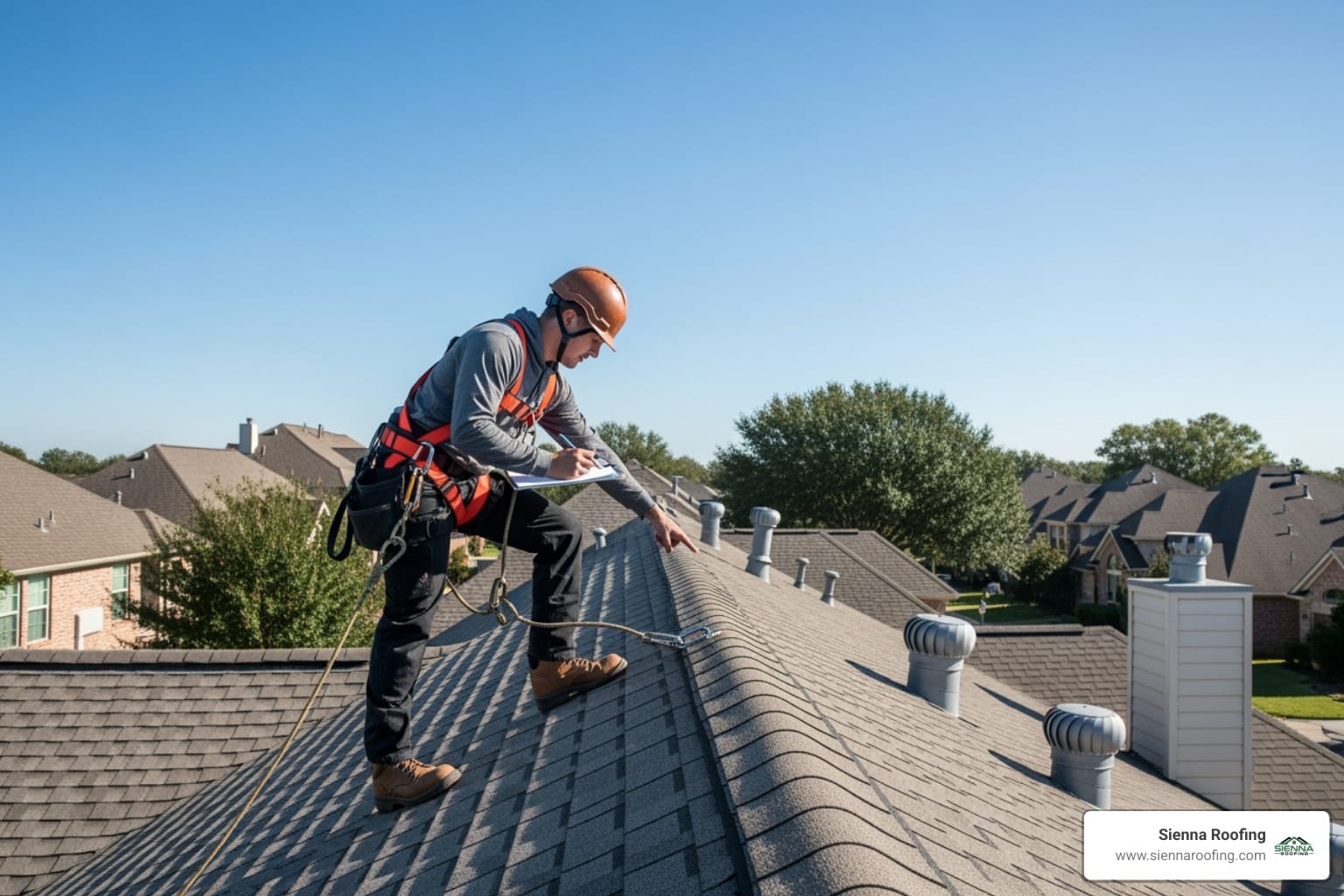
First and foremost, safety is the paramount concern. Navigating a sloped roof requires specialized training, equipment, and an understanding of weight distribution and fall protection. According to OSHA, falls are the leading cause of death in the construction industry, and thousands of homeowners are injured in ladder-related accidents each year. Our professional inspectors are fully trained in OSHA safety protocols and use proper personal protective equipment (PPE), including safety harnesses, to eliminate this risk. Furthermore, walking on a roof incorrectly can cause significant damage to the shingles, inadvertently creating new problems.
The Technology and Tools Gap
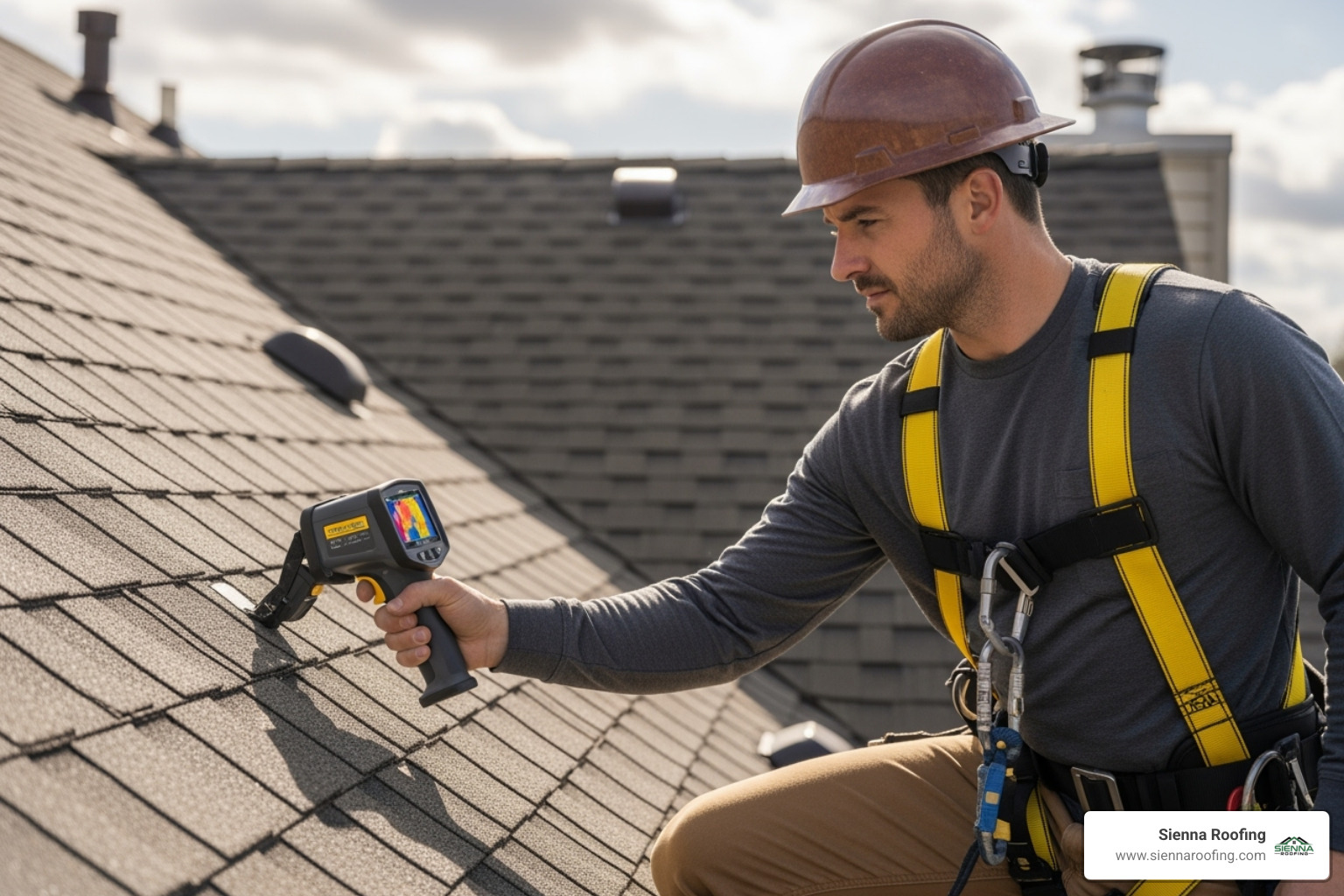
Professionals come equipped with an arsenal of specialized tools that go far beyond what a typical homeowner possesses. We use high-resolution drones to get a safe, close-up view of steep or complex roof sections. More importantly, we use advanced diagnostic equipment like thermal imaging cameras and moisture meters. A thermal camera can detect temperature anomalies on the roof’s surface that indicate trapped moisture and failing insulation below, while a moisture meter can confirm the presence and extent of water saturation in the decking—problems that are completely invisible otherwise.
Accuracy and Diagnostic Expertise
An expert eye, trained by inspecting hundreds of roofs in the Houston area, can identify subtle signs of impending failure that a DIYer would overlook. This includes recognizing the specific pitting patterns of hail damage, understanding the difference between cosmetic algae and destructive moisture, and knowing how Houston’s humidity affects sealant longevity. This deep expertise ensures an accurate diagnosis of your roof’s health, leading to the correct repair recommendations. A misdiagnosis can lead to unnecessary repairs or, worse, leaving a critical issue unaddressed.
The Critical Role of a Roof Inspection in Houston Insurance Claims
When your roof is damaged in a storm, professional documentation is absolutely essential for a successful insurance claim. Insurance adjusters require clear, indisputable evidence of damage and its cause. A DIY inspection with a few smartphone photos holds little to no weight. Our detailed reports, complete with timestamped, high-resolution photos, expert analysis, and a professional repair estimate from a licensed contractor, provide the robust documentation needed to validate your claim and prevent unfair denials or underpayments. We can act as your advocate, meeting with the adjuster on-site to point out damage they might otherwise miss, especially for hail impacts, which are notoriously difficult for an untrained eye to identify. A professional inspection is an investment that pays for itself by catching problems early, maximizing your insurance claim, and, most importantly, keeping you safely on the ground. For more information on navigating storm damage claims, see our guide on hail damage repair costs.
Finding the Right Inspector: Costs, Qualifications, and Local Expertise
Choosing the right company to perform your roof inspection is the most important step in the process. Not all roofers are created equal, and a subpar inspection can provide a false sense of security while leaving critical issues unfinded. You should look for a licensed, fully insured company with a proven track record and deep roots in the Houston community. While many reputable companies offer free inspections for homeowners evaluating potential repair work, be aware that formal, documented inspections for real estate transactions or insurance purposes typically cost between $150 and $400, depending on the roof’s size and complexity.
What Qualifications Should a Houston Roof Inspector Have?
When vetting a potential roofing contractor, insist on seeing proof of these essential qualifications:
- State Licensing and Association Membership: While Texas doesn’t have a statewide license for roofers, reputable contractors will be licensed with the Roofing Contractors Association of Texas (RCAT). This demonstrates a commitment to a code of ethics and industry best practices.
- Comprehensive Insurance: This is non-negotiable. The company must carry both general liability insurance (to protect your property from damage) and workers’ compensation insurance (to protect their employees). Without workers’ comp, you could be held financially liable if an inspector is injured on your property.
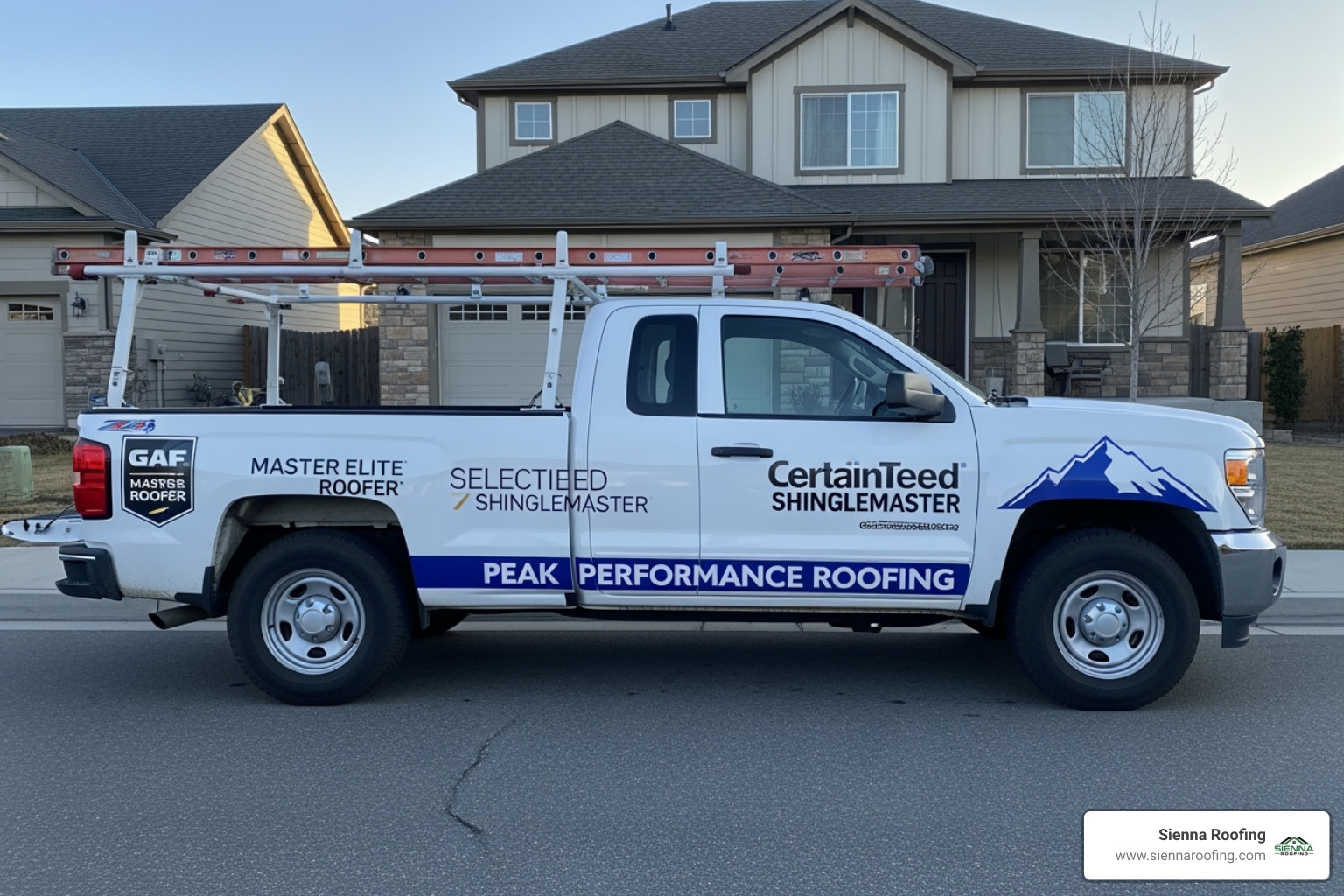
- Manufacturer Certifications: Top-tier roofers earn certifications from leading manufacturers like GAF Roofing and CertainTeed. Earning a designation like GAF Master Elite® or CertainTeed SELECT ShingleMaster™ means the company has undergone extensive factory training, is financially stable, and can offer exclusive, improved warranties that other roofers cannot.
- Verifiable Positive Online Reviews: Don’t just take the company’s word for it. Check independent review sites like Google, the Better Business Bureau (BBB), and GuildQuality. Look for a consistent history of customer satisfaction and pay attention to how the company responds to any negative feedback.
- Deep Local Experience: A contractor based in Dallas won’t have the same intimate understanding of Houston’s climate challenges. A local inspector knows precisely what to look for, from the specific types of algae that thrive here to the common failure points caused by tropical storm wind patterns.
Residential vs. Commercial Roof Inspections: Key Differences
While the goal of identifying and preventing leaks is the same, inspecting a residential roof versus a commercial one are two vastly different disciplines. The materials, structural components, building codes, and inspection protocols vary significantly.
- Commercial Roofing Materials: Commercial buildings typically feature low-slope or flat roofs covered with materials like TPO (Thermoplastic Olefin), PVC (Polyvinyl Chloride), EPDM (a synthetic rubber membrane), or Modified Bitumen. Each of these systems has unique seams, flashing details, and vulnerabilities that require specialized knowledge to inspect properly.
- Structural Complexity and Equipment: Commercial roofs are often much larger and must support heavy equipment like industrial HVAC units, vents, and piping. An inspection must verify the integrity of the roof membrane around every curb and penetration, which are common sources of leaks. It also requires adherence to stricter OSHA safety protocols for working at height and around equipment.
- Building Codes and Drainage: Commercial properties are subject to more stringent building codes. An inspector must understand these codes, particularly as they relate to drainage systems. Unlike the simple gutter systems on homes, commercial roofs may have complex internal drains, scuppers, and overflow systems that must be thoroughly checked for blockages and proper function.
Due to these critical differences, you must always choose an inspector with specific, proven experience in commercial roofing systems if you own or manage a business property.
Your Local Houston Roofing Experts
For trusted, expert roofing services in the Houston area, work with a local professional who understands our climate’s unique challenges. We proudly serve communities across the Houston metro.
- Name: Sienna Roofing
- Address: 17034 University Blvd, Sugar Land, TX 77479
- Phone: (832) 564-3322
Frequently Asked Questions about Houston Roof Inspections
Here are clear, honest answers to some of the most common questions we hear from Houston homeowners about the roof inspection process.
What is the typical cost of a roof inspection in Houston?
For homeowners who suspect damage or are seeking a quote for potential repairs, most reputable companies, including Sienna Roofing, offer free, no-obligation inspections. For formal, documented inspections required for real estate transactions, insurance purposes, or general due diligence, the cost in the Houston area typically ranges from $150 to $400. The final price depends on the roof’s size, pitch (steepness), material type, and overall complexity. Commercial roof inspections are significantly more involved and generally start at $500, increasing with the square footage and complexity of the system.
How can a roof inspection save me money?
A professional roof inspection is one of the best forms of preventive care for your home and saves you money in several critical ways. Early problem detection is the most significant factor; fixing a few loose shingles or resealing a cracked pipe boot costs a few hundred dollars, while ignoring it can lead to thousands in repairs for rotted decking, ruined insulation, and interior water damage. Secondly, following an inspector’s maintenance recommendations extends your roof’s lifespan, delaying a full, costly replacement by several years. Finally, identifying and correcting issues like poor attic ventilation can improve your home’s energy efficiency, leading to lower monthly cooling bills in the hot Houston climate.
Can a roof inspection help when I’m buying or selling a home?
Absolutely. A professional roof inspection Houston service is a non-negotiable part of any modern real estate transaction. For buyers, it is a crucial due diligence step that uncovers hidden problems and potential five-figure expenses, providing powerful negotiating leverage or allowing you to walk away from a disastrous purchase. For sellers, providing a clean, recent inspection report from a reputable company builds immense trust with potential buyers. It demonstrates responsible homeownership, justifies the asking price, and helps prevent the deal from falling apart over roofing issues during the option period. It provides peace of mind for all parties and prevents major financial surprises at the closing table.
How long does a comprehensive roof inspection take?
The duration of an inspection depends on the size and complexity of the roof. For an average-sized residential home in Houston, a thorough inspection will typically take 45 to 90 minutes. Larger homes with steeper pitches or more complex features like multiple skylights and chimneys may take longer. The inspector needs adequate time to perform the full exterior, interior, and attic assessment without rushing.
Do I need to be present during the inspection?
While you don’t necessarily need to be present for the exterior portion of the inspection, we highly recommend you are home for the entire process. This allows the inspector to access your attic for the critical interior assessment. More importantly, it gives you the opportunity to walk the property with the inspector afterward, ask questions, and have them point out any areas of concern in person, which can be much more impactful than just reading a report.
What happens if the inspection reveals significant damage?
If our inspection uncovers damage, we will immediately show you our findings through high-resolution photos and explain the implications. We will then provide you with a detailed, itemized report and a no-pressure estimate for the recommended repairs. If the damage appears to be storm-related, we can guide you through the process of filing an insurance claim and can meet with your adjuster to ensure all damage is properly documented and accounted for.
Protect Your Home with a Professional Roof Inspection
In a city where the weather can shift from scorching, triple-digit heat to a torrential tropical downpour in a single afternoon, your roof is your home’s most critical shield. The relentless assault from Houston’s climate makes a professional roof inspection Houston service an essential, proactive strategy for protecting your biggest financial investment. Regular, expert inspections are the single most effective and affordable way to ensure your roof remains strong, reliable, and capable of protecting your family and belongings from the elements.
Most catastrophic roof failures don’t happen overnight. They begin as small, invisible problems—a single shingle lifted by the wind, a tiny crack in the sealant around a vent, or a section of flashing that has begun to pull away. By the time you notice a telltale water stain on your ceiling, that simple, inexpensive fix has likely escalated into a much more complex and expensive problem involving rotted wood, saturated insulation, and potential mold remediation. At Sienna Roofing, our experience inspecting thousands of Houston-area roofs has shown us time and again how proactive maintenance saves homeowners stress, disruption, and thousands of dollars in the long run. Our team is committed to providing thorough, honest, and transparent assessments that give you a complete and accurate picture of your roof’s condition.
Don’t wait for a leak to tell you there’s an issue. Take control of your home’s health and stay ahead of problems with a professional inspection that catches damage while it’s still small and manageable. Give your roof the expert attention it deserves and secure your peace of mind for years to come. Contact our team of local Houston experts today! We are here to help you keep the roof over your head safe and secure.